1JEE Advanced 2026 Paper 1 Online
MCQM+4 / -12026Physics
Consider a hydrogen atom with

JEE Advanced · 17 May 2026 · Answers and step-by-step solutions
Showing 25 of 48 questions · Page 1 of 2
Consider a hydrogen atom with
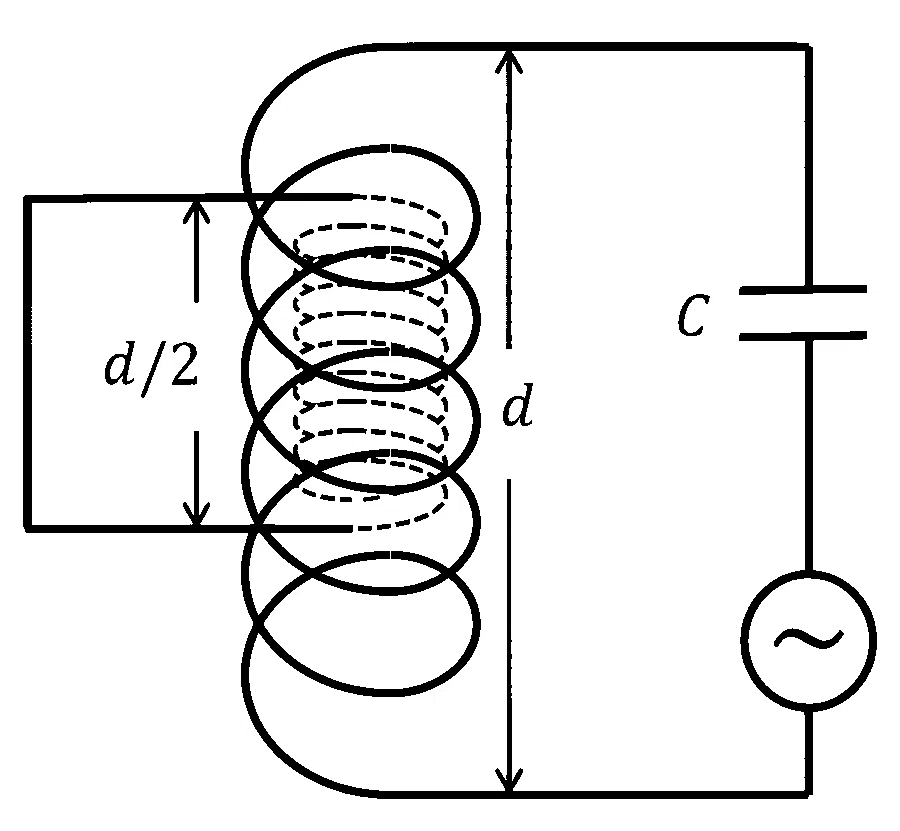
Consider a circuit consisting of a capacitor of capacitance C and a coil with N turns per unit length, cross sectional area S and length d, where
List-I contains four conducting loops lying in the
The region
| List-I | List-II |
|---|---|
(P)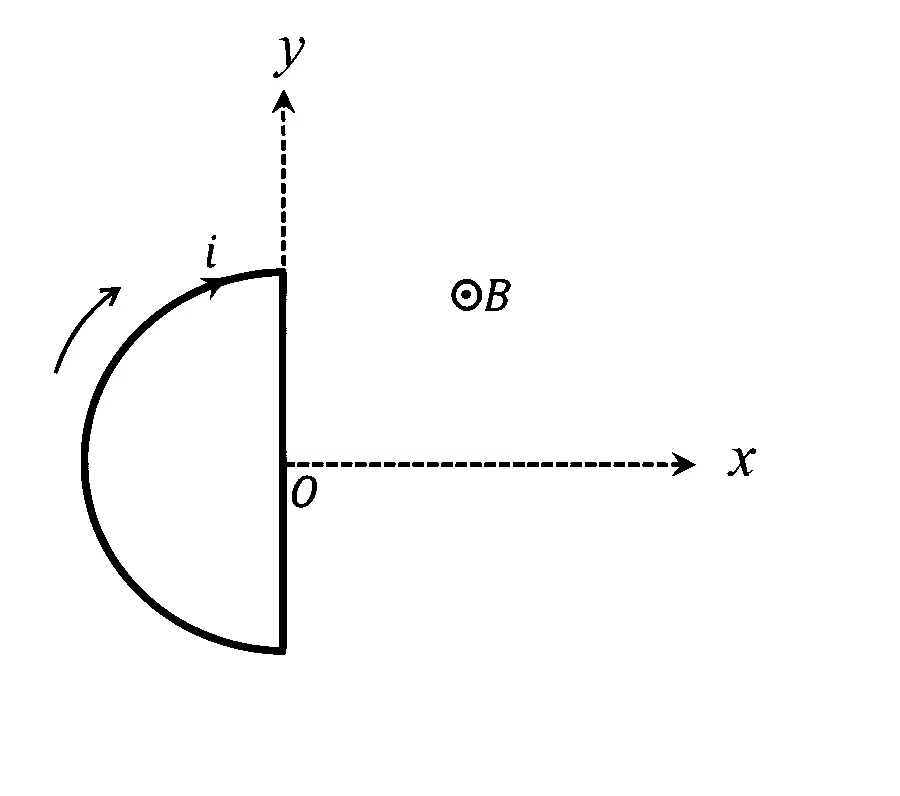 | (1)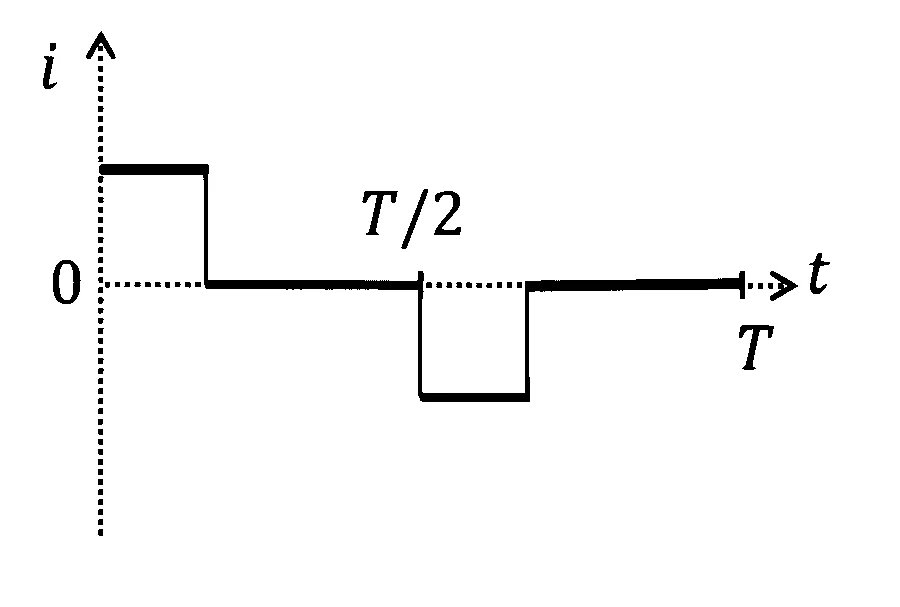 |
(Q)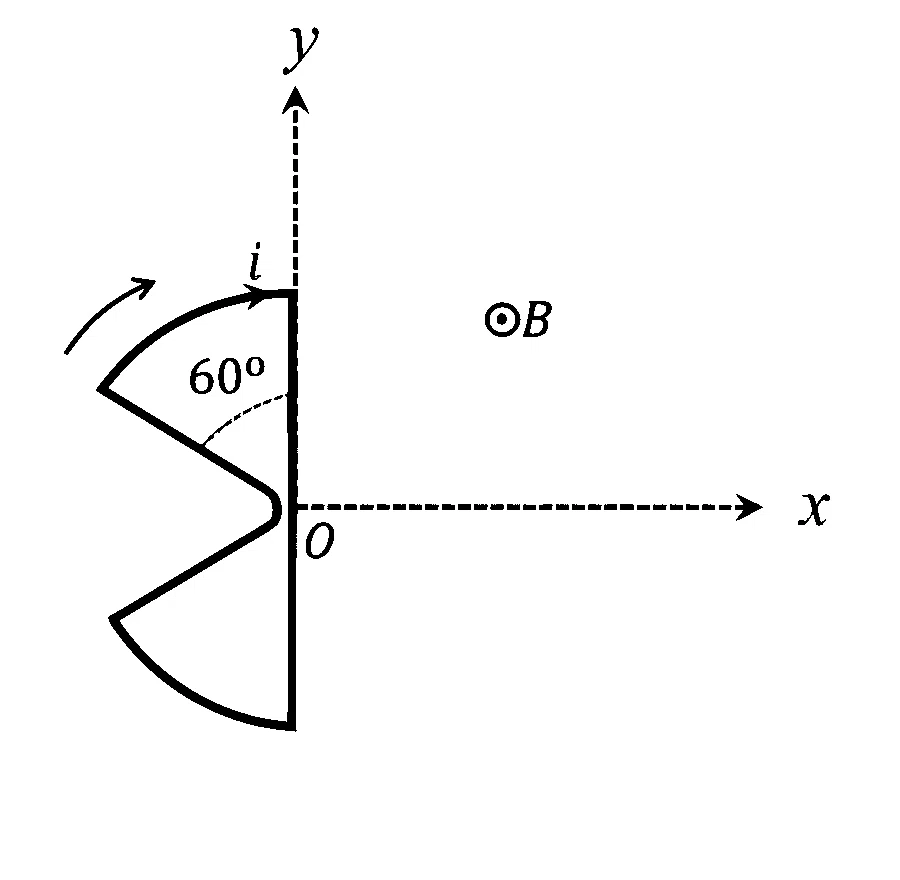 | (2)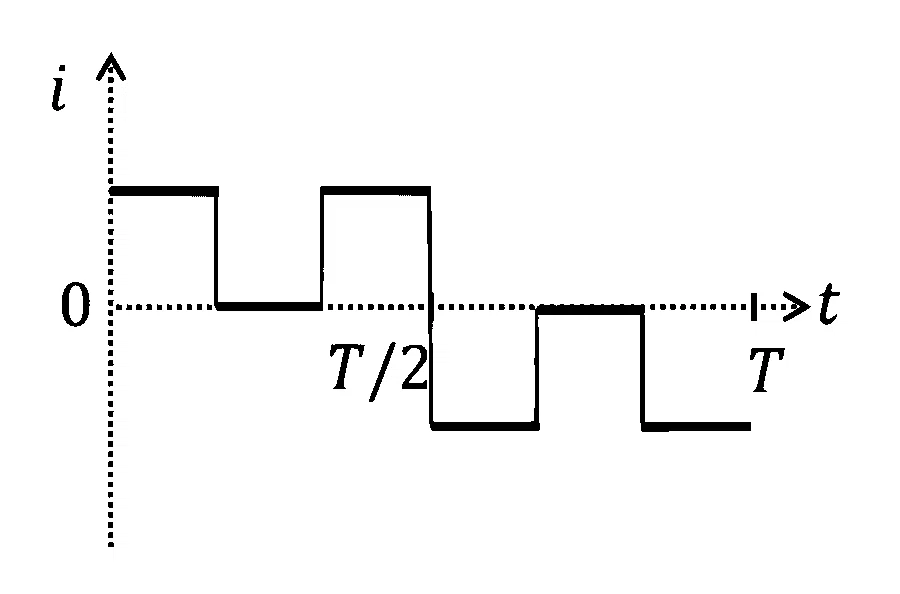 |
(R)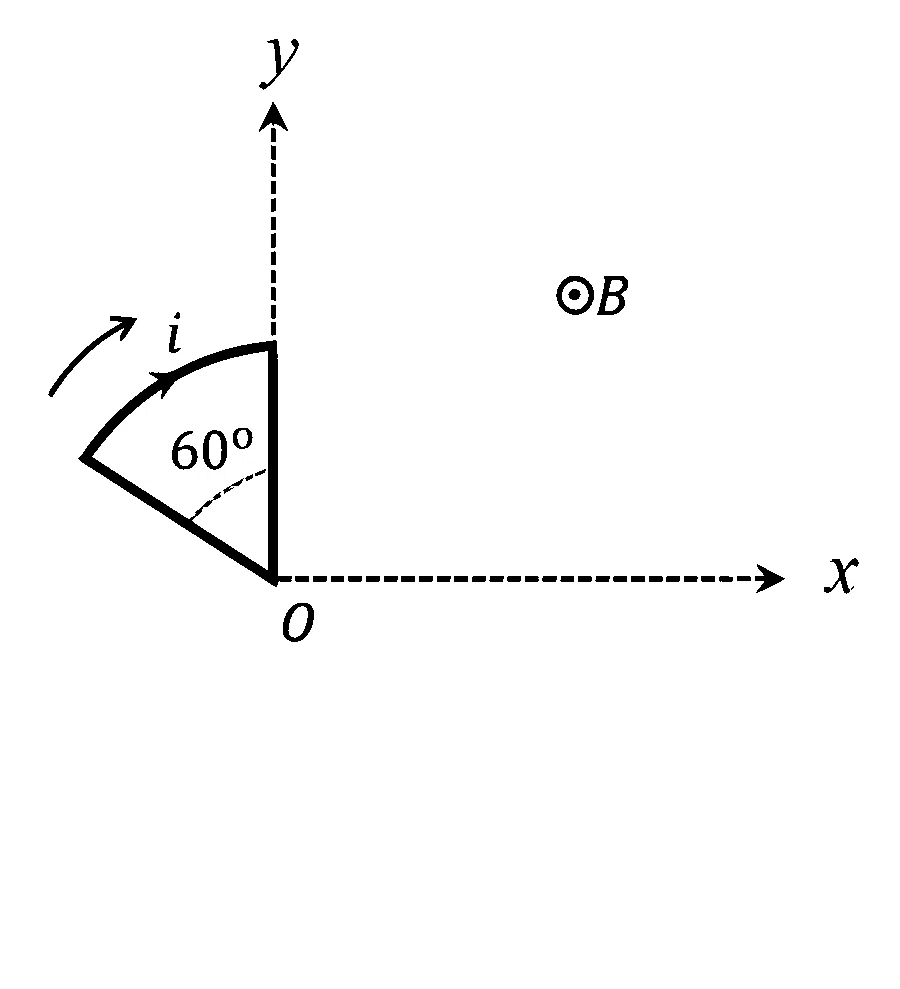 | (3)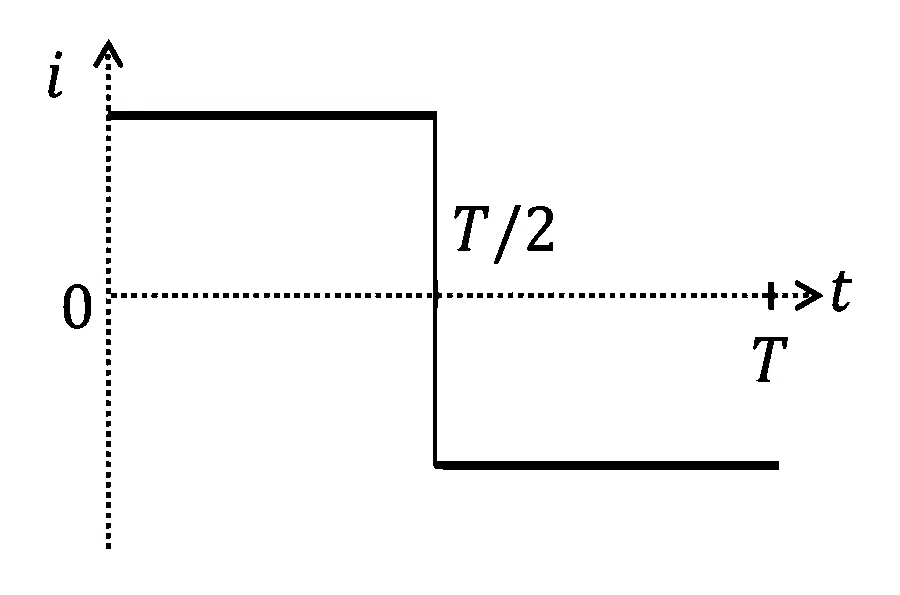 |
(S)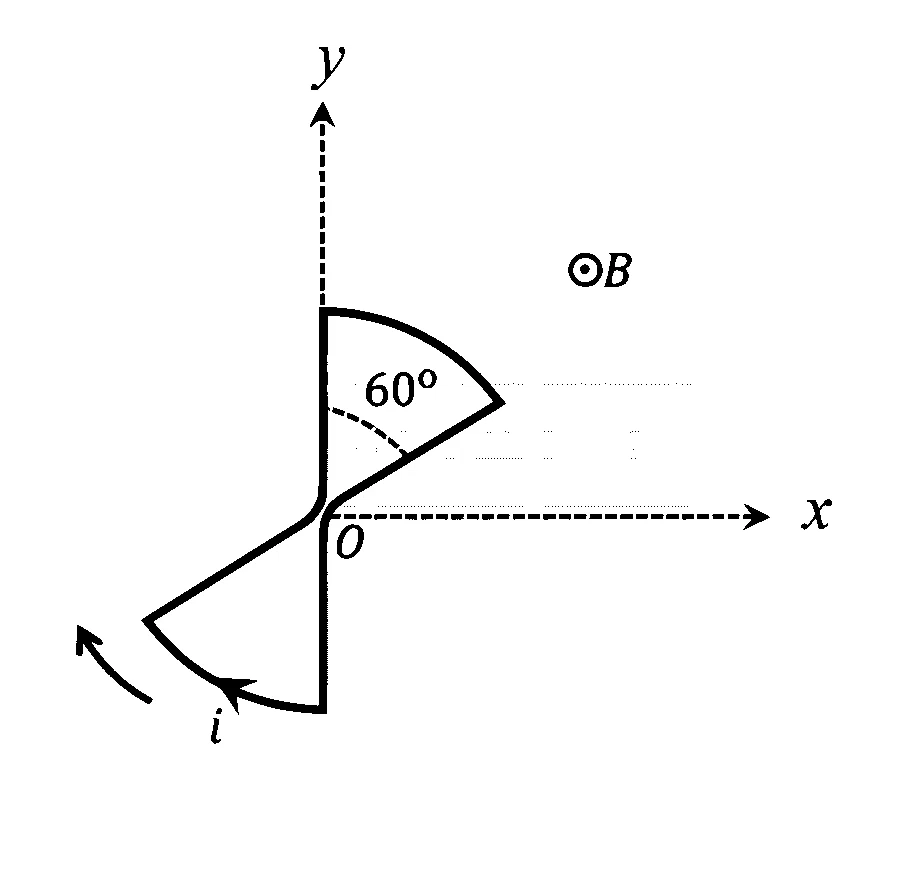 | (4) 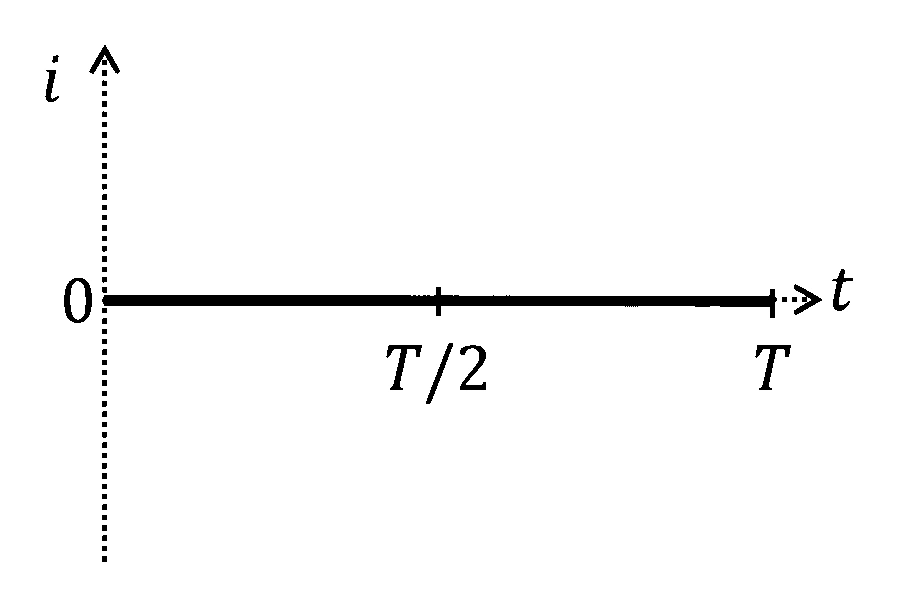 |
(5) 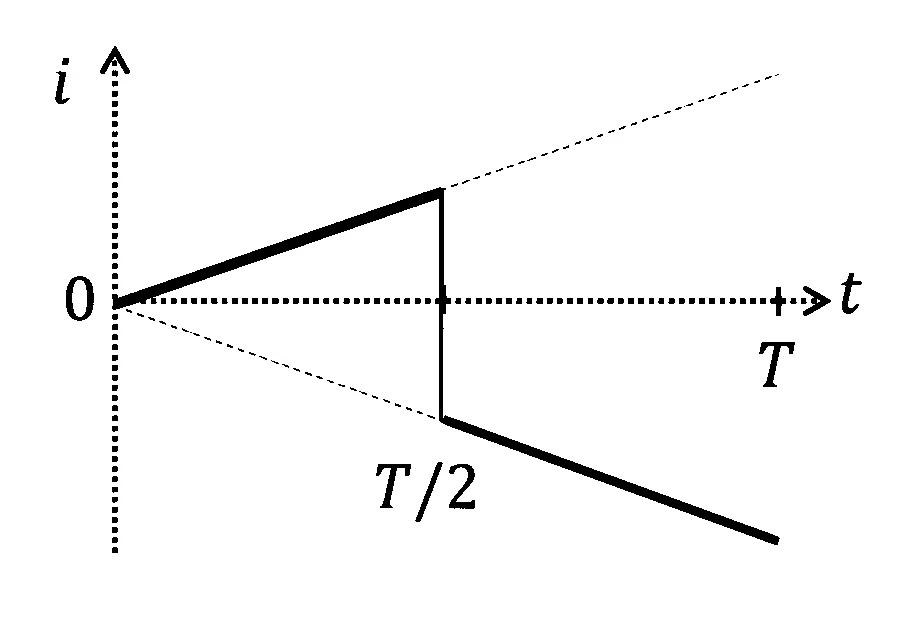 |
The electric field associated with an electromagnetic wave travelling in vacuum is given by
[Given: speed of light in vacuum
A double convex lens made of glass of refractive index 1.5 and radii of curvature of the curved surfaces 20 cm each is immersed in a liquid of refractive index nL. The correct plot showing the variation of the power, in the units of diopter (D), as a function of nL is :
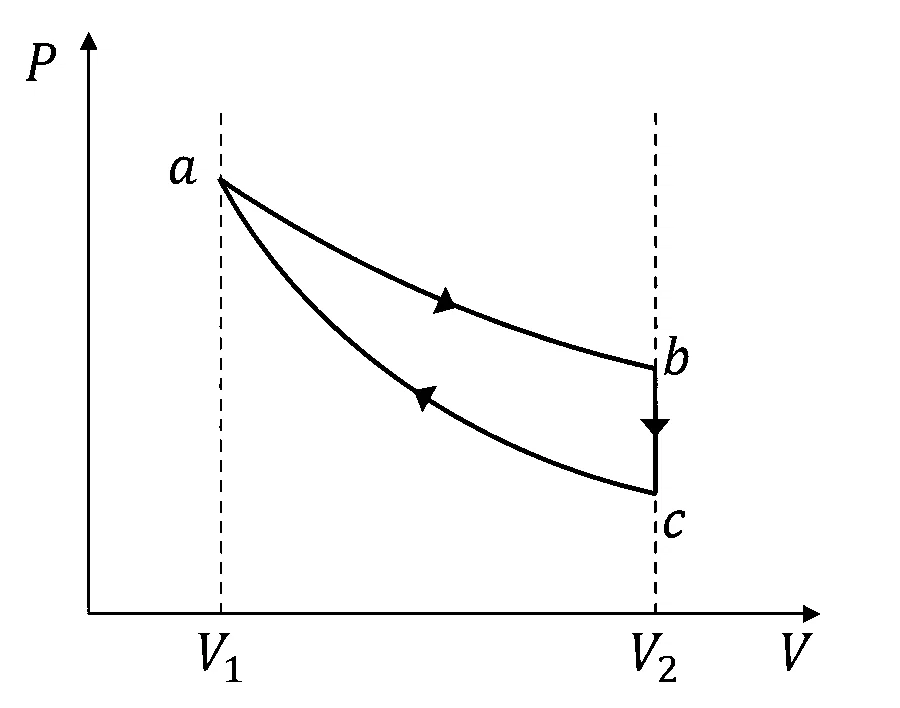
A quasi-static cycle of a monoatomic ideal gas contains an isothermal process
[Given:
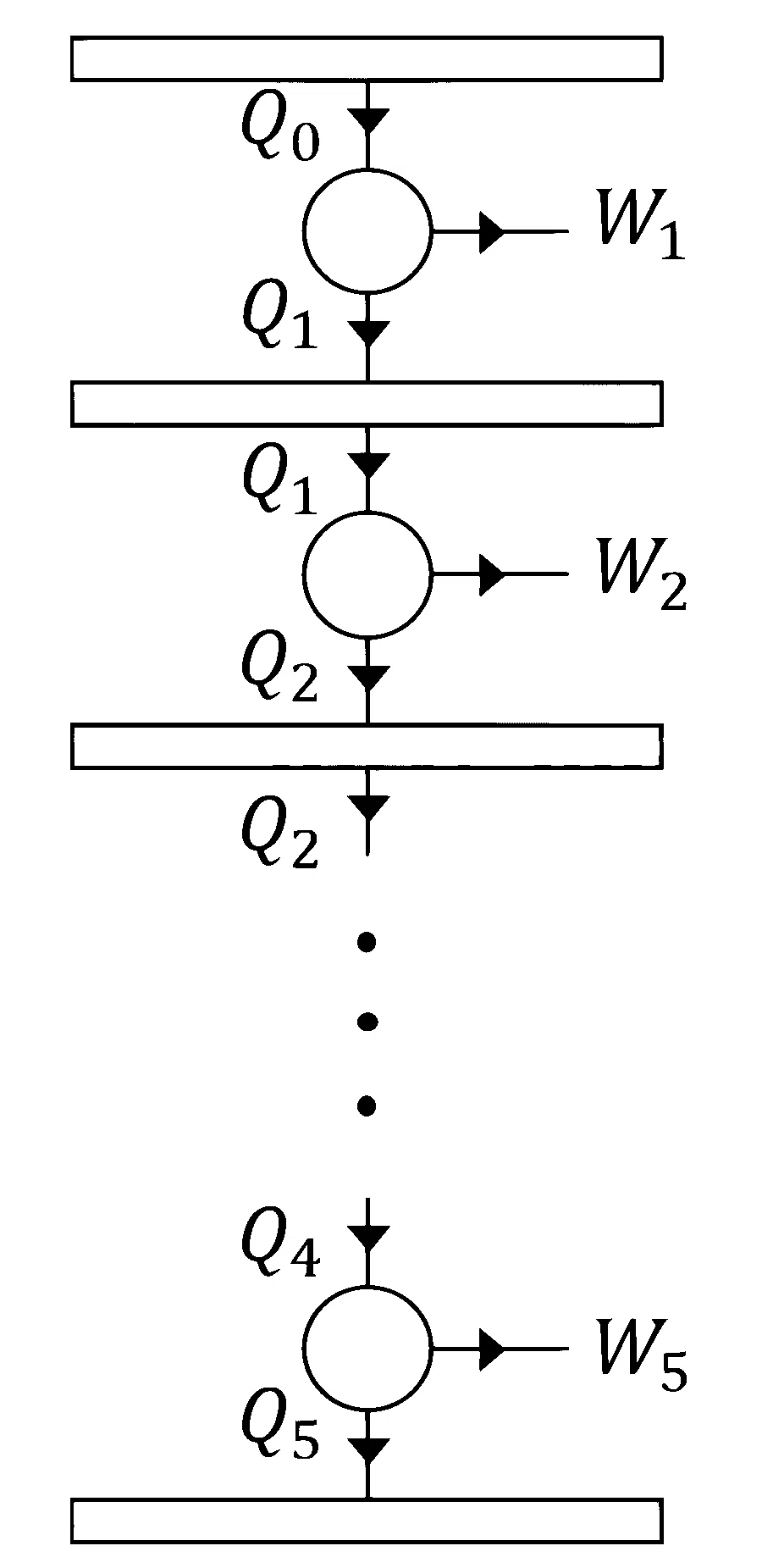
As shown in the figure, five Carnot engines, each with efficiency
The value of
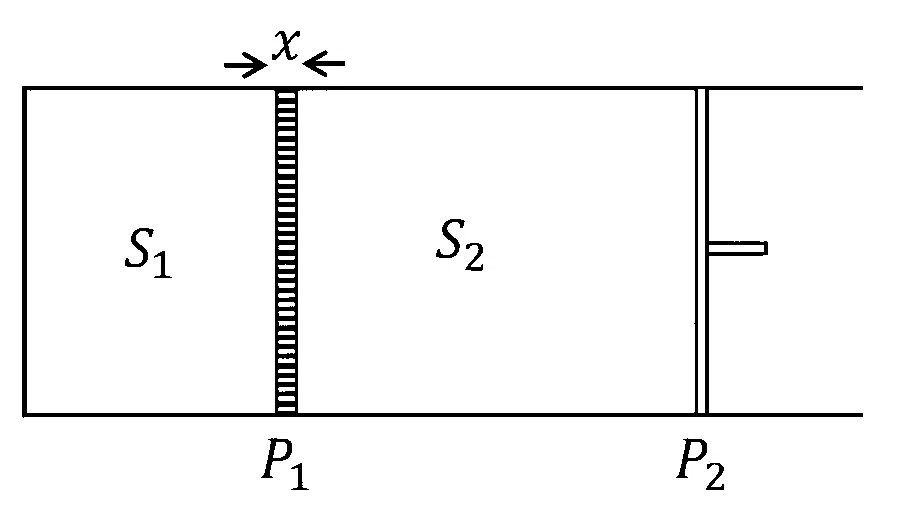
As shown in the figure, an insulated container is fitted with a thermally conducting but immovable partition (
[ Given:
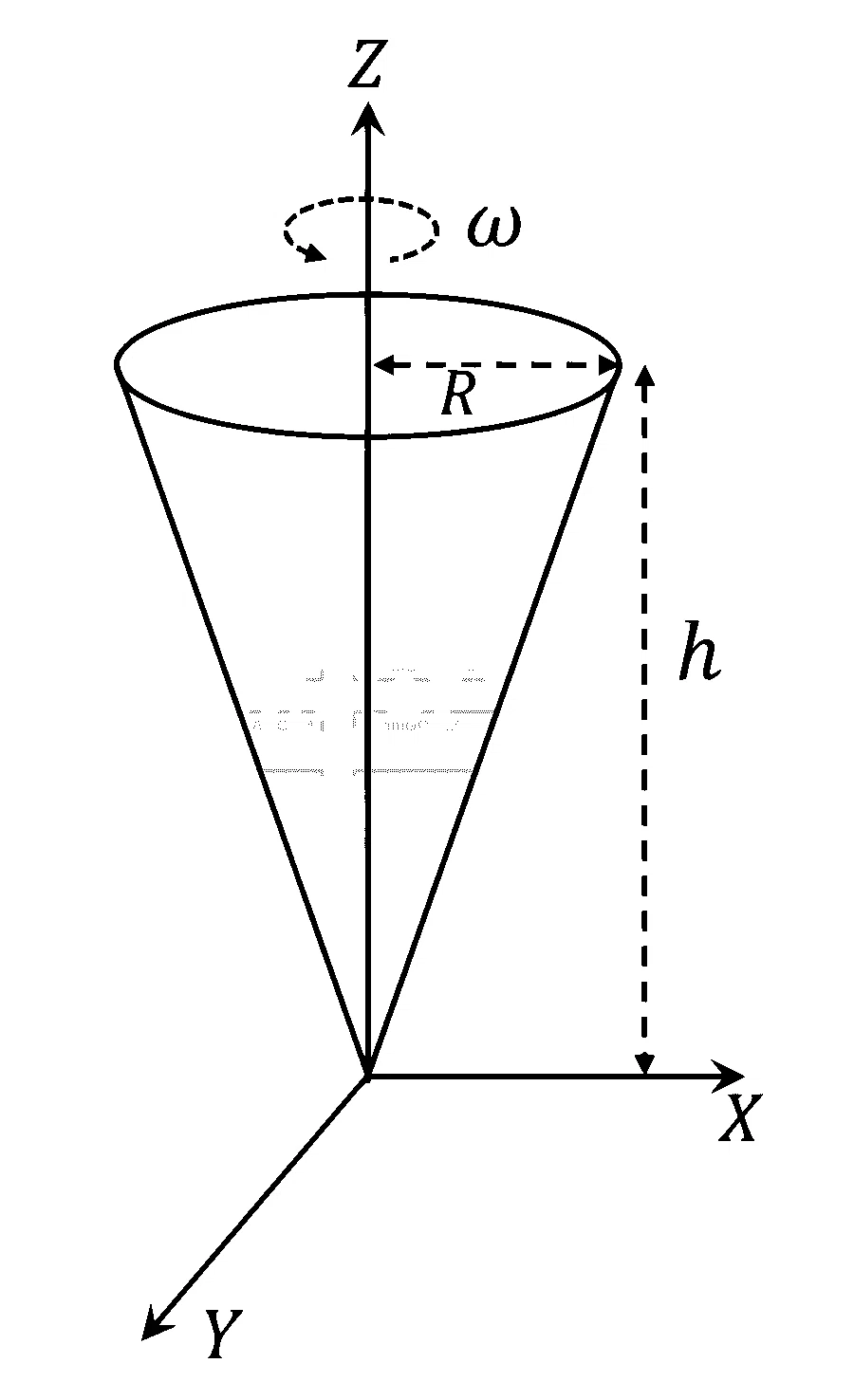
A hollow, right circular cone of base radius
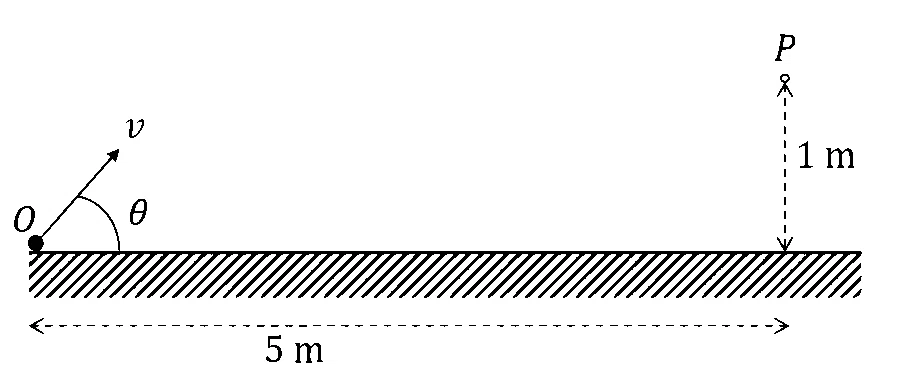
A particle is thrown with a speed v from a point O at an angle θ with the horizontal plane such that it passes through the point P at a height of 1 m and horizontal distance of 5 m from O, as shown in the figure. If acceleration due to gravity is g
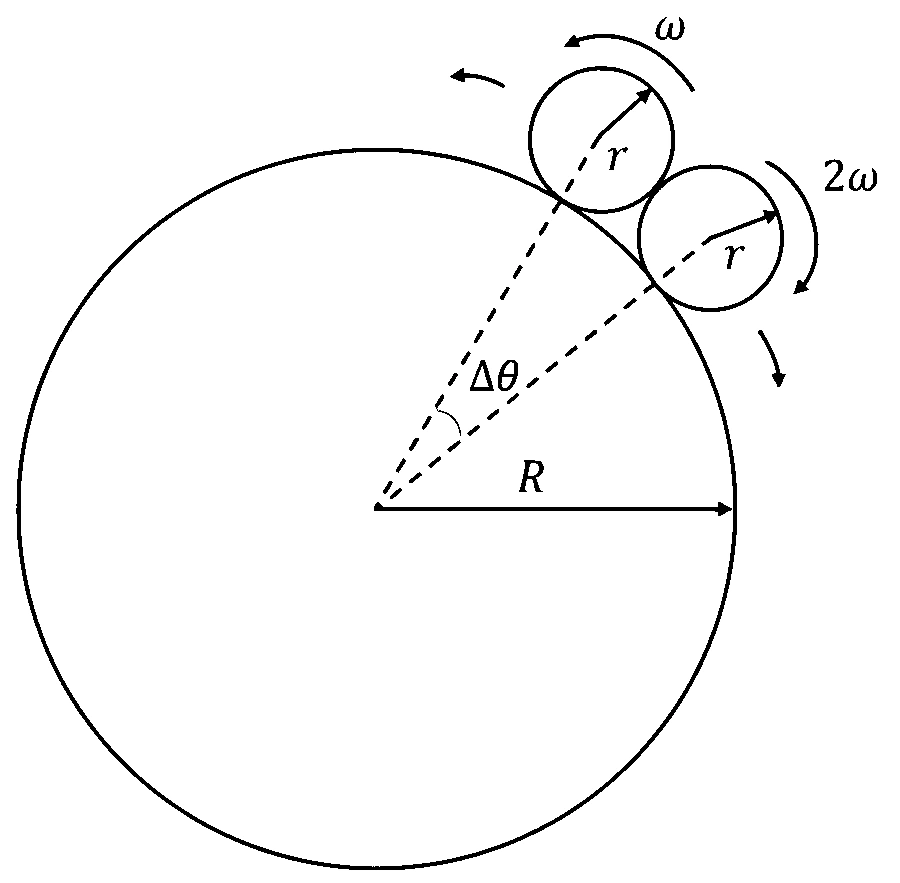
Consider a large disk of radius R and two smaller disks, each of radius r = R / 50, lying on its circumference, as shown in the figure. The smaller disks are initially in contact with each other, with an angular separation Δθ between their centers. They are made to roll without slipping in opposite directions, with constant angular velocities ω and 2ω while the large disk is held stationary. The time τ at which the smaller disks are again in contact is:
[Use sin(Δθ)=Δθ and ignore gravity.]
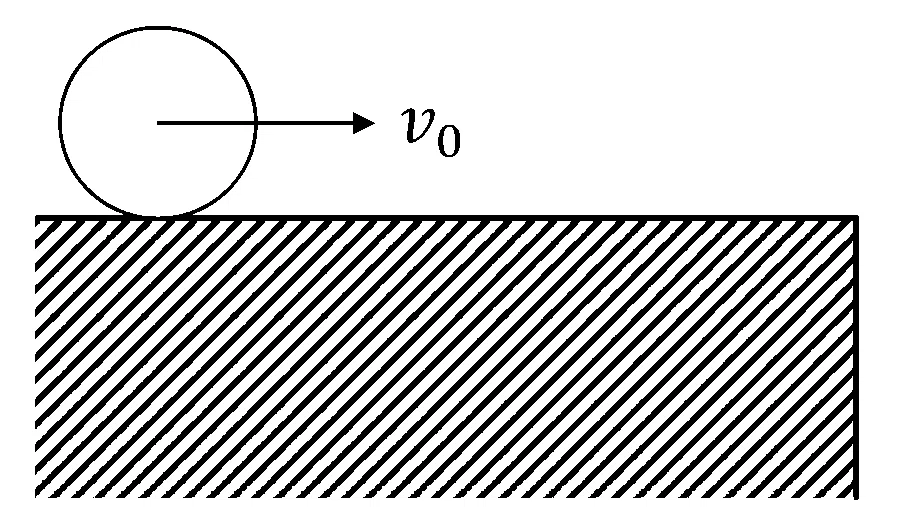
A solid cylinder of radius R rolls without slipping with a center of mass speed v0 =
List-I shows four planar structures made of uniform solid rods each of mass
Choose the option that describes the correct match between the entries in List-I to those in List-II.
| List-I | List-II |
|---|---|
(P)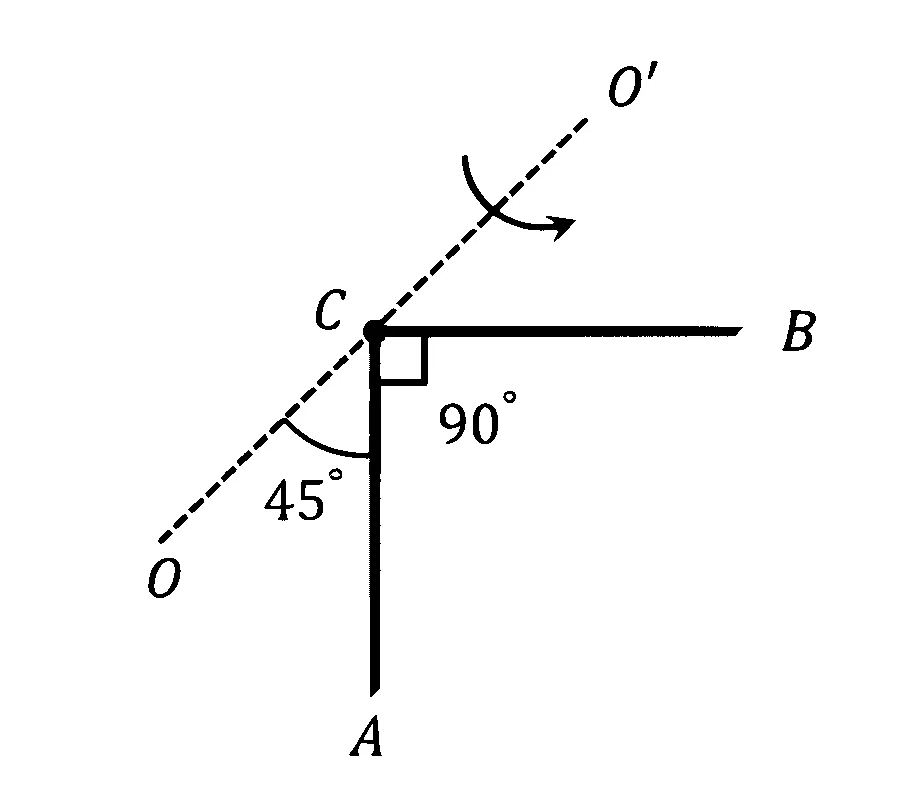 | (1) |
(Q)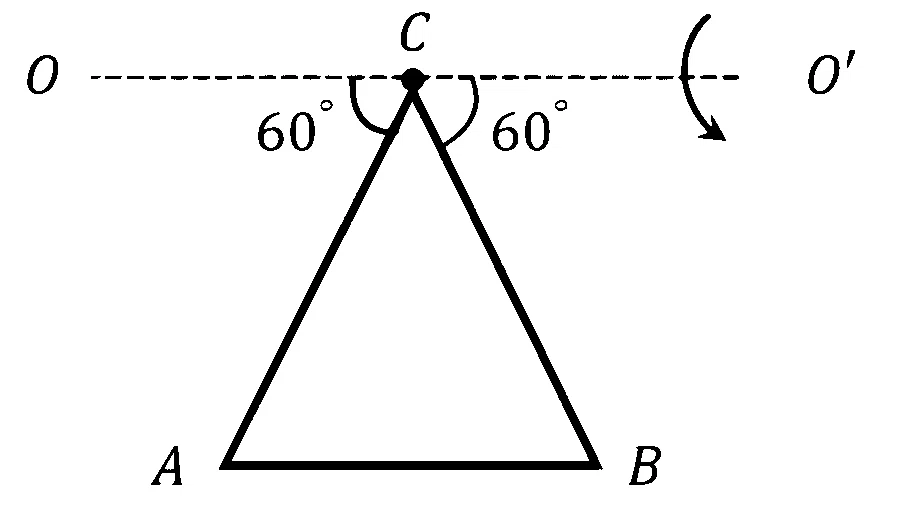 | (2) |
(R)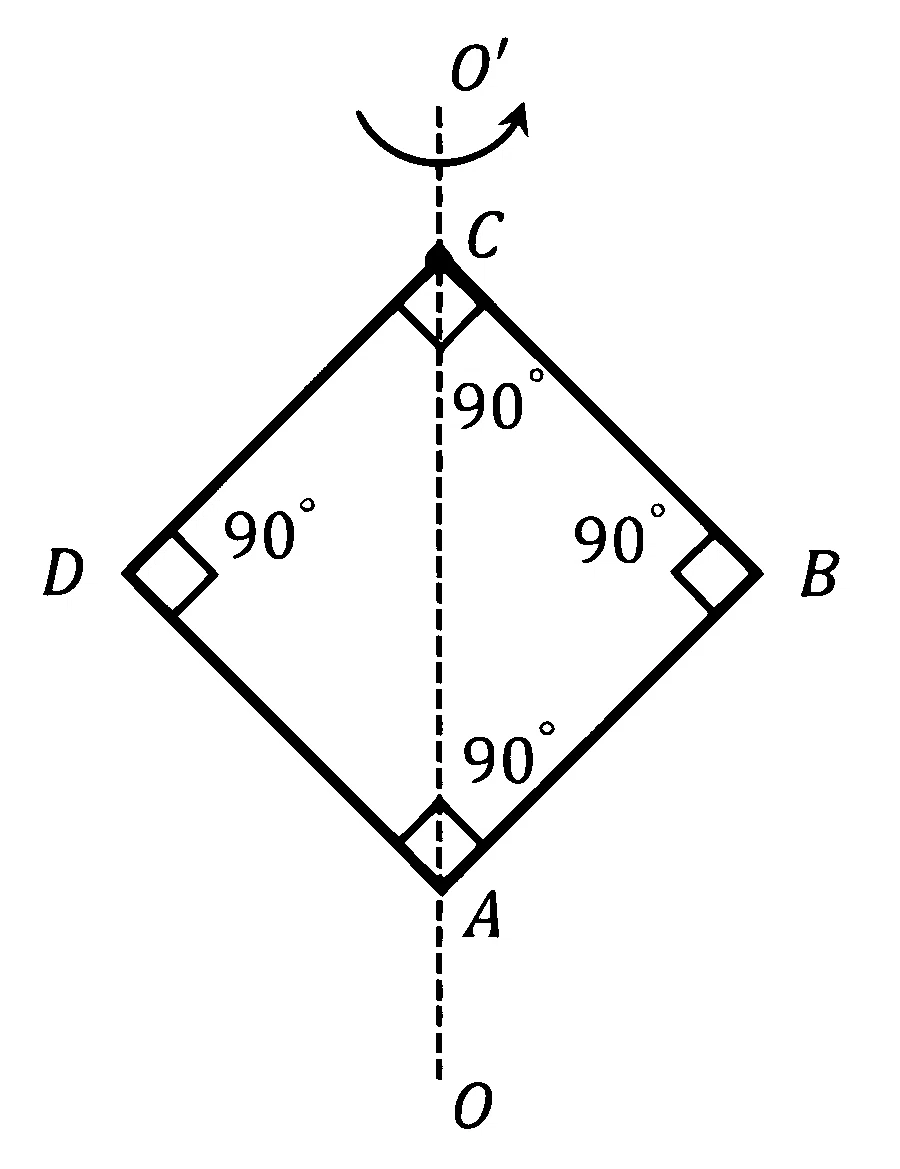 | (3) |
(S)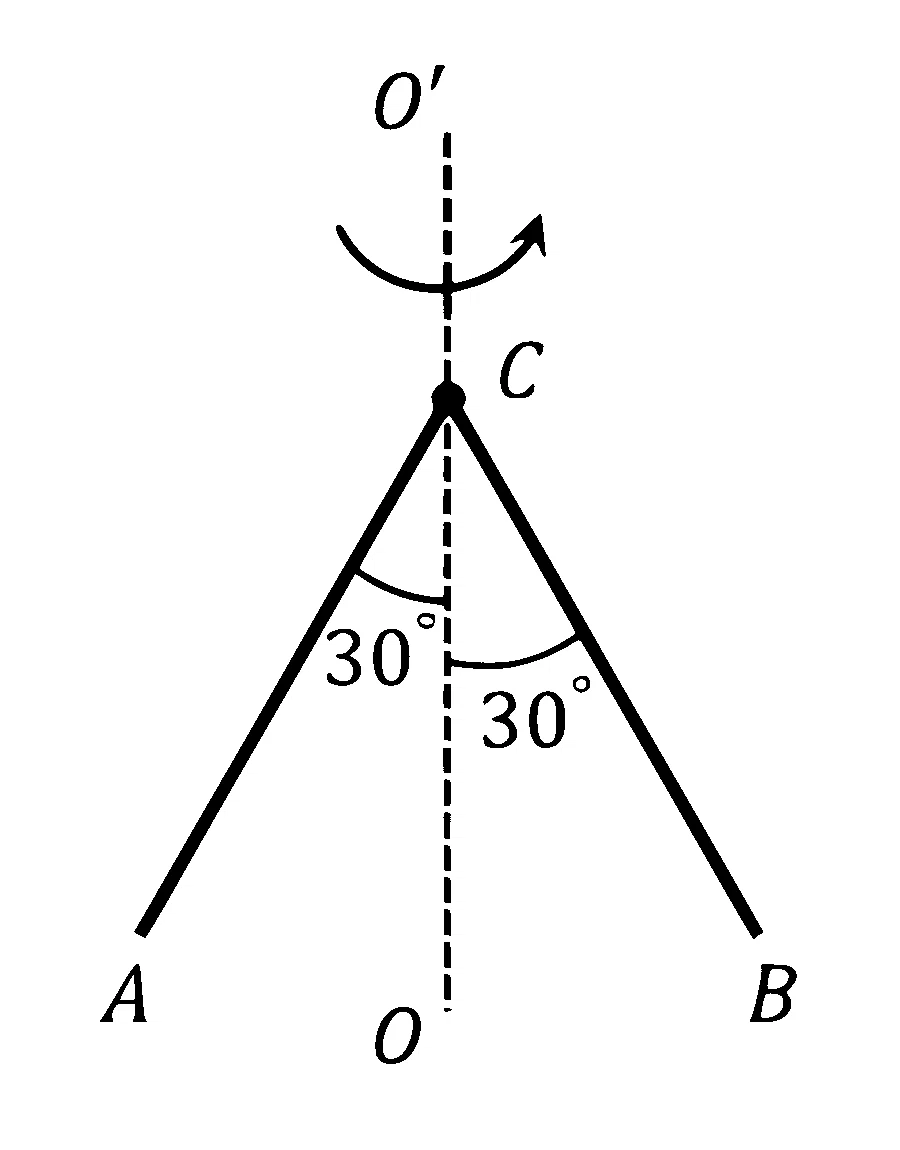 | (4) |
| (5) |
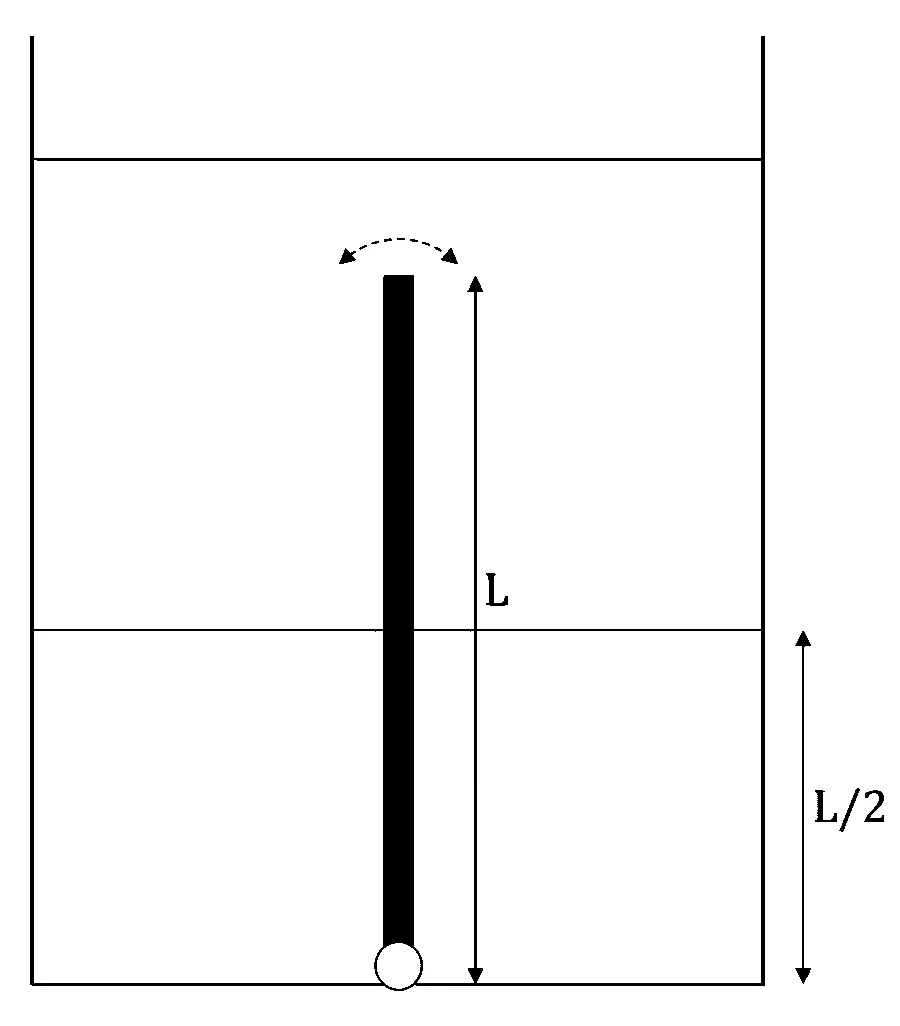
A tank contains two immiscible liquids of densities
In the List-I, four optical effects are mentioned. The physical phenomena of light which are essential to describe these optical effects are given in List-II. Choose the option which describes the correct match between the entries in List-I to those in List-II.
| List-I | List-II |
|---|---|
| (P) Colorful sky in north polar region (Aurora Borealis) | (1) Dispersion and reflection |
| (Q) Partially polarized sun light | (2) Total internal reflection |
| (R) Rainbow | (3) Diffraction |
| (S) Dark and bright fringes | (4) Scattering of light by molecules in the atmosphere |
| (5) Emission of radiation from oxygen and nitrogen atoms excited by charged particles |
List-I shows four configurations made of straight and semi-circular narrow tubes containing air. A sound wave of wavelength
Between the points
Choose the option that best describes the match between the entries in List-I to those in List-II.
| List-I | List-II |
|---|---|
(P)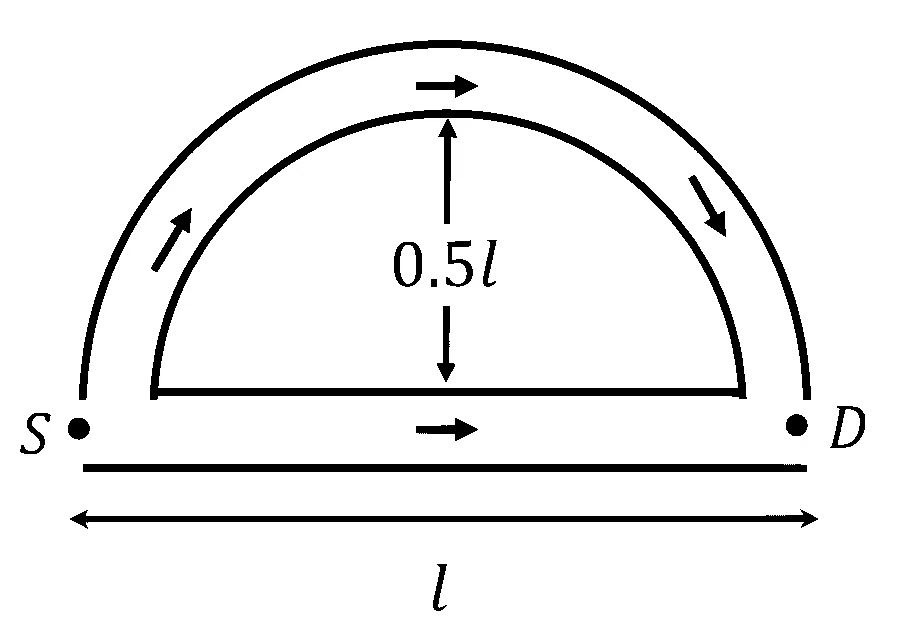 | (1) |
(Q)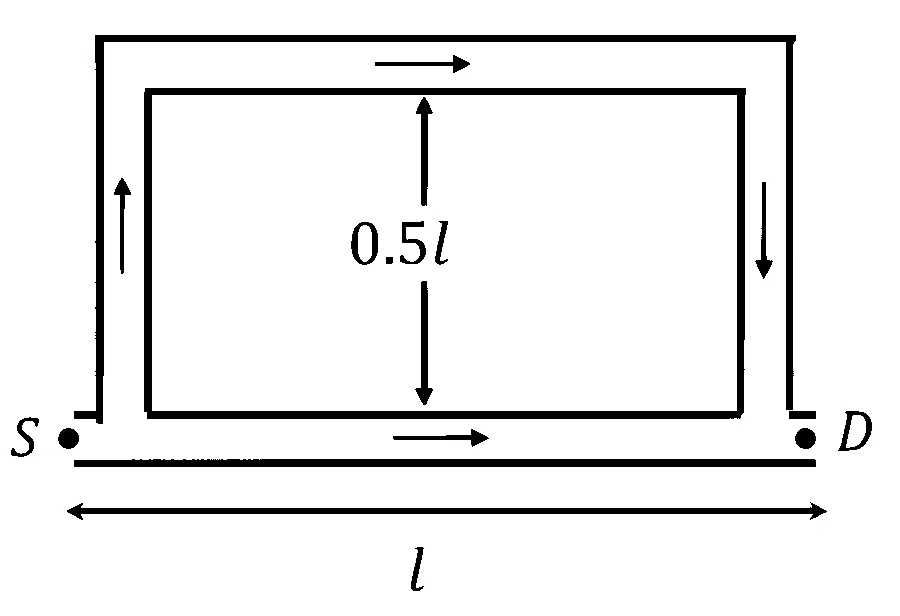 | (2) |
(R)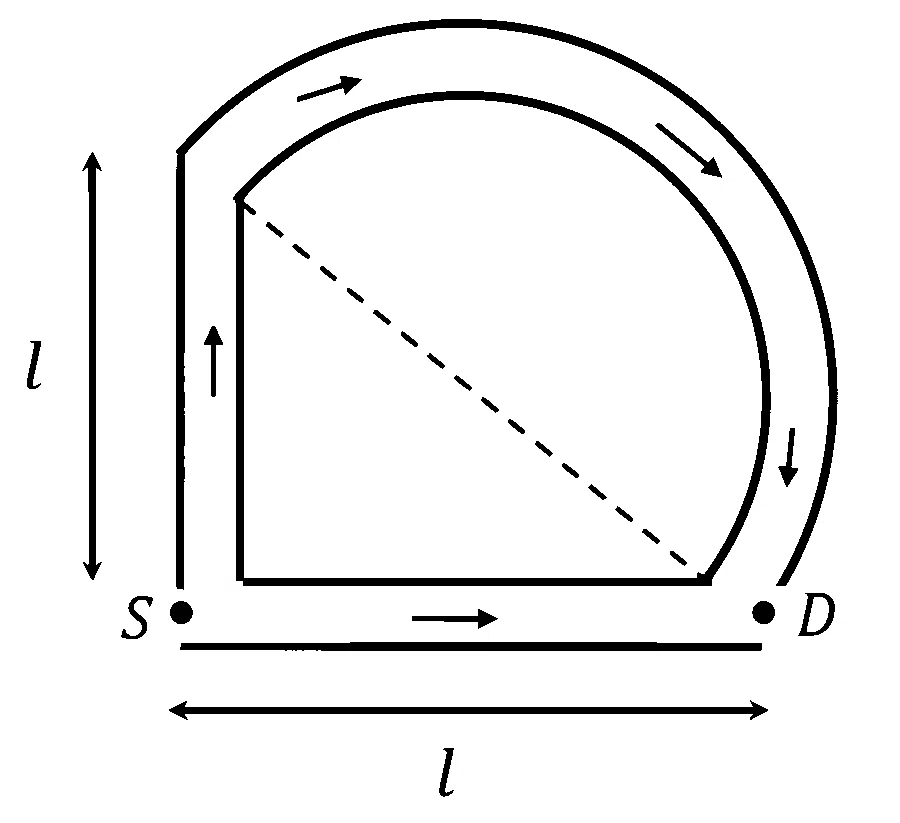 | (3) |
(S)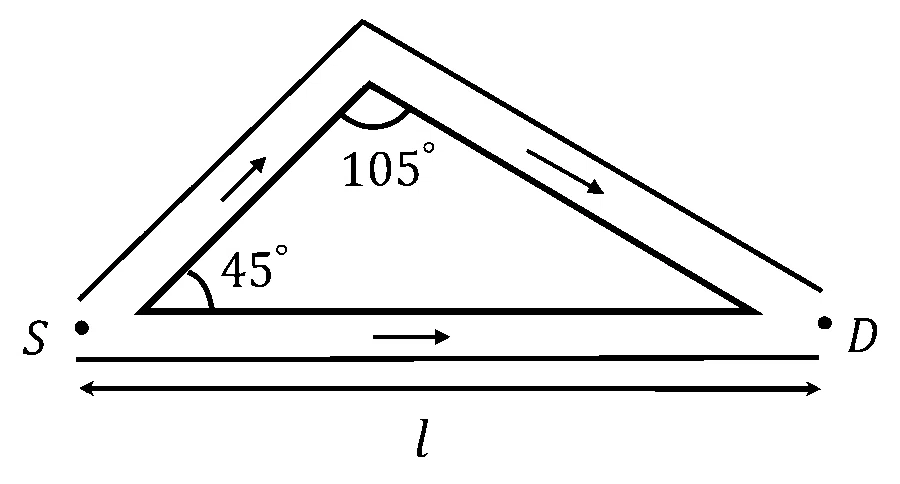 | (4) |
| (5) |
Considering LiBH4 reduces an ester group to the corresponding alcohol and does not reduce a carboxylic acid group, the correct statement about the major products P, Q, R and S is:
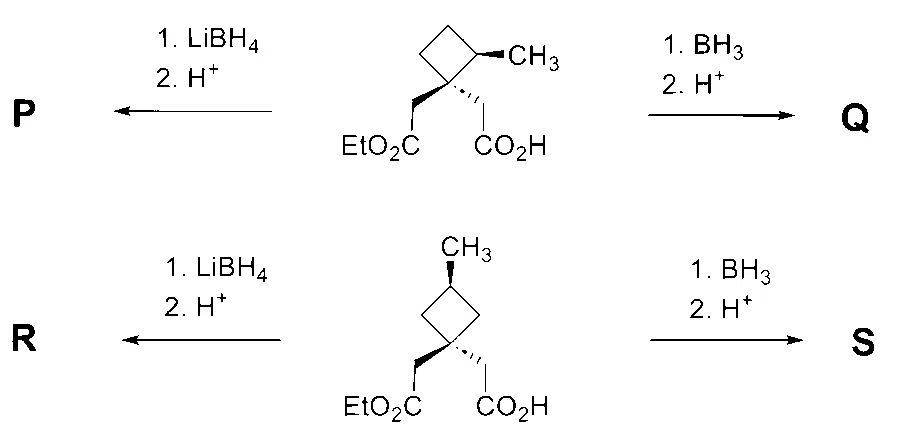
In the following reaction sequence, Q, R, S and T are the major products.
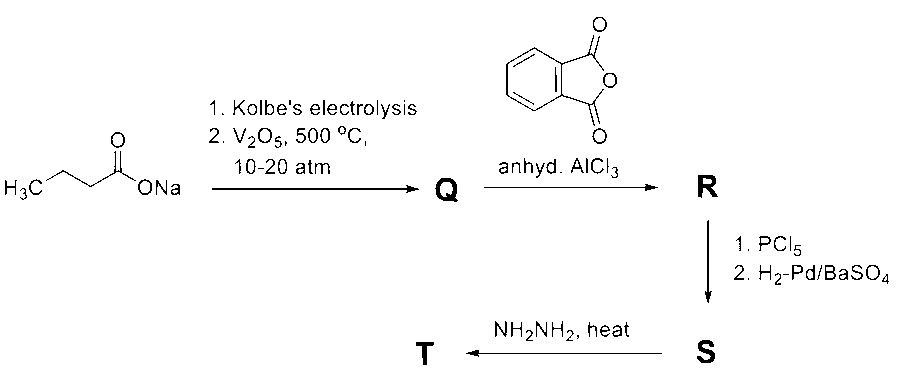
The correct statement(s) about Q, R, S and T is(are) :
The sum of total number of carbonyl groups (
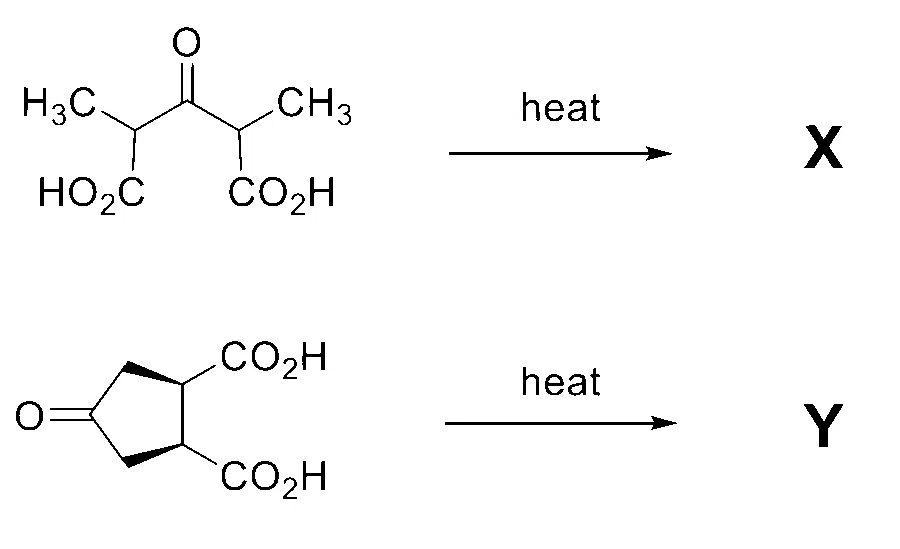
The List-II contains products obtained from the reaction of compounds in List-I with
| List-I | List-II |
|---|---|
(P)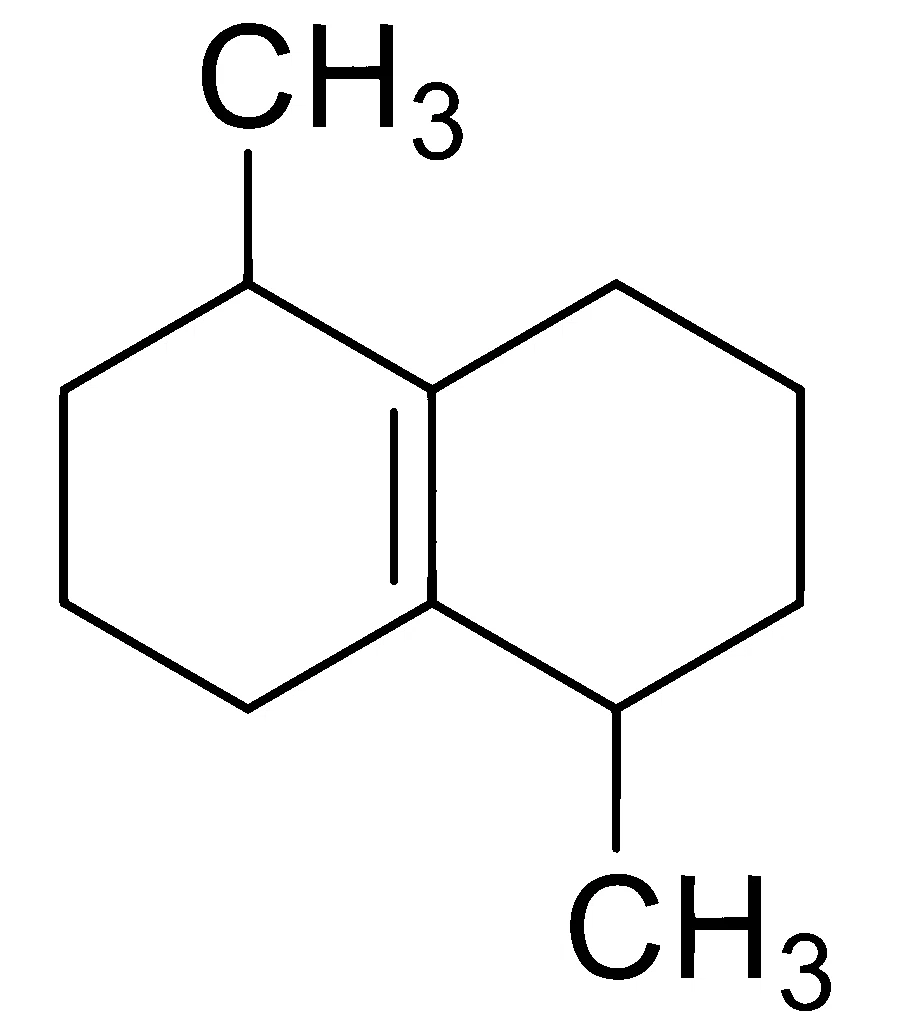 | (1)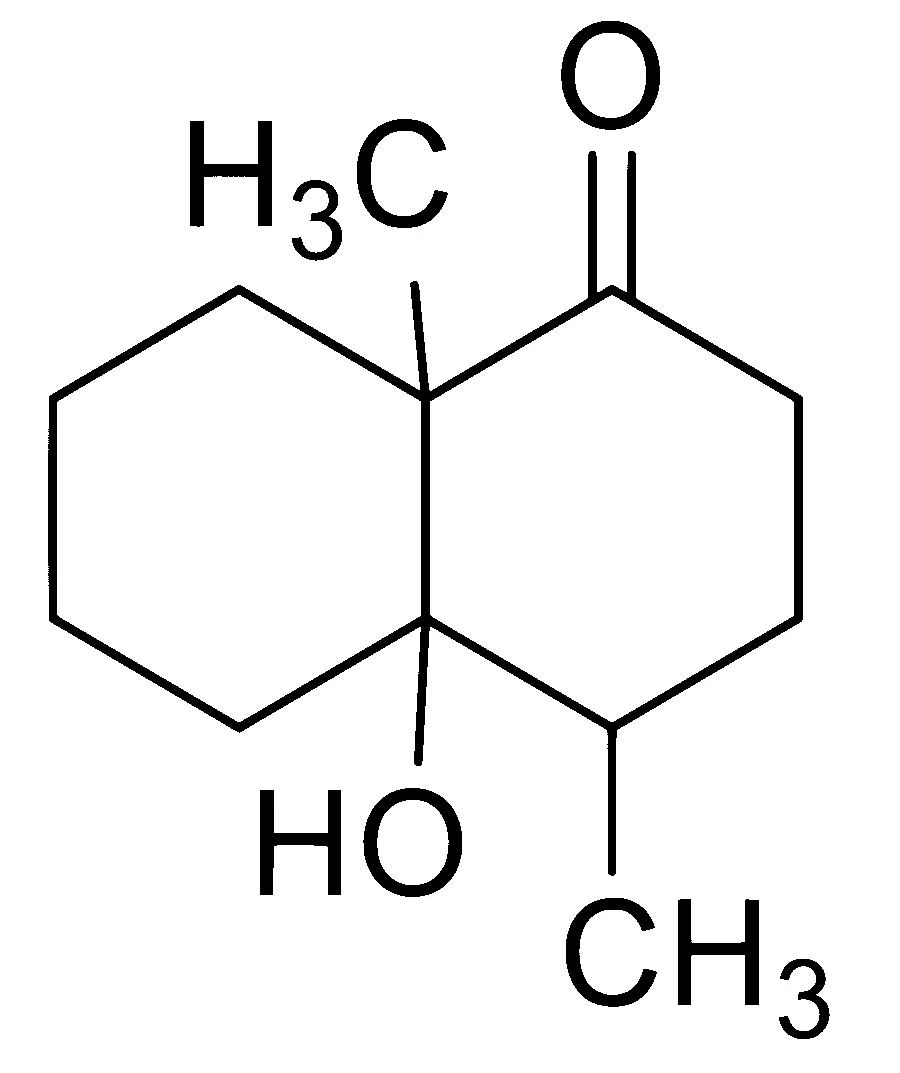 |
(Q)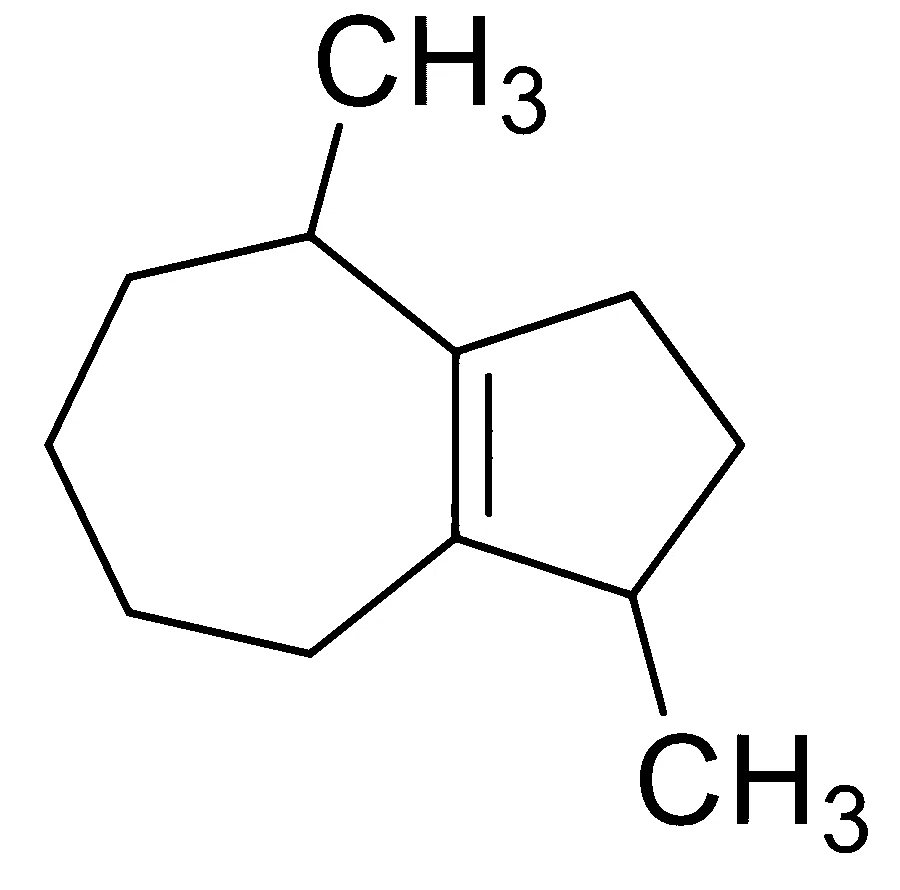 | (2)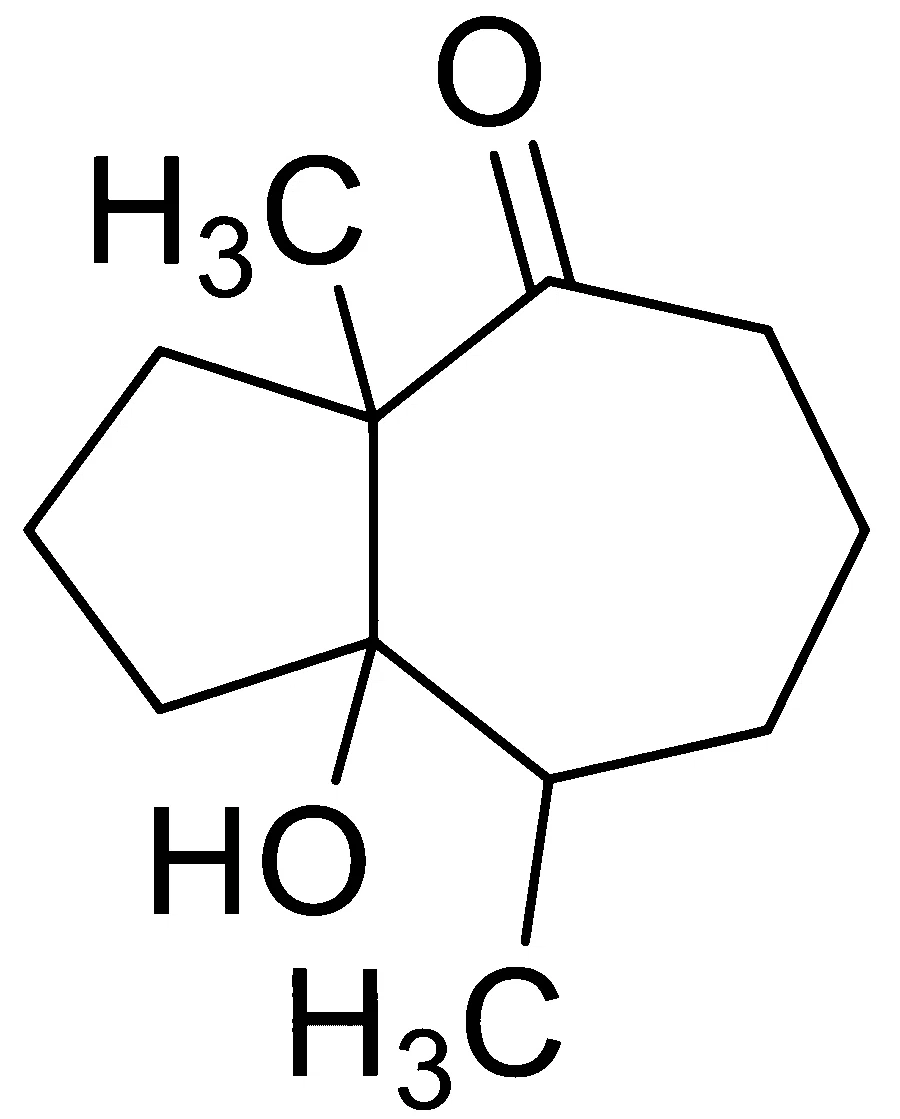 |
(R)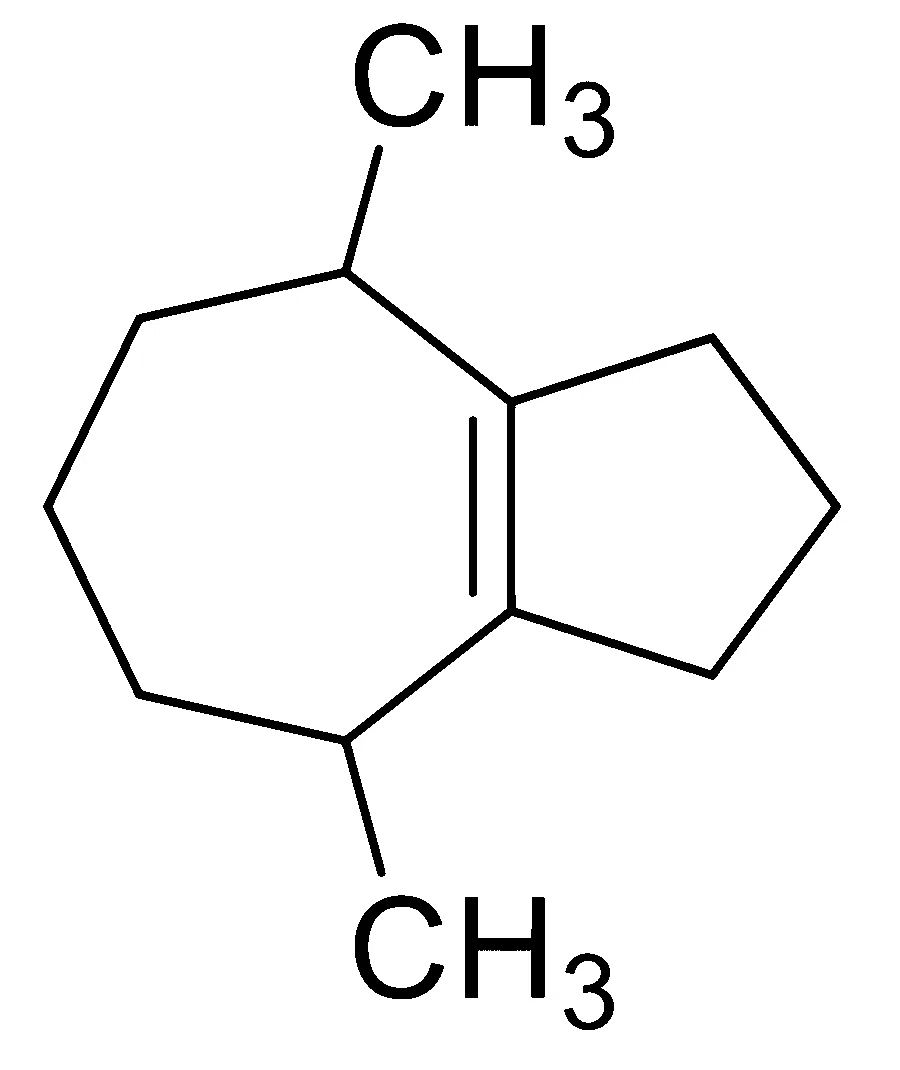 | (3)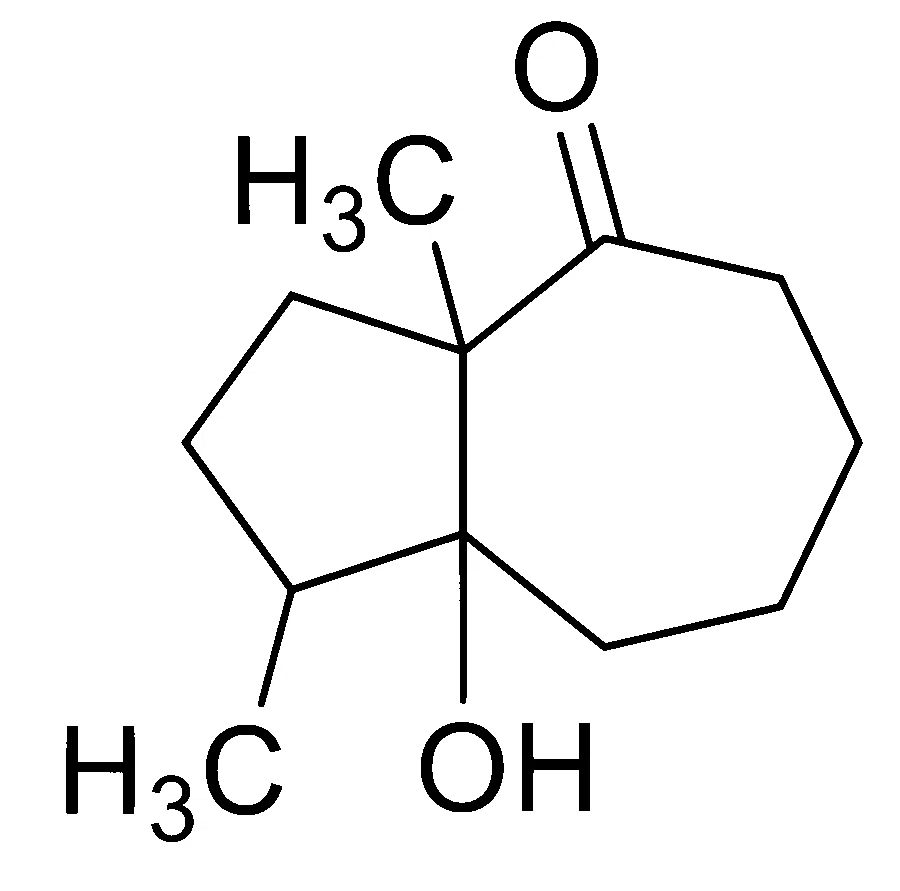 |
(S)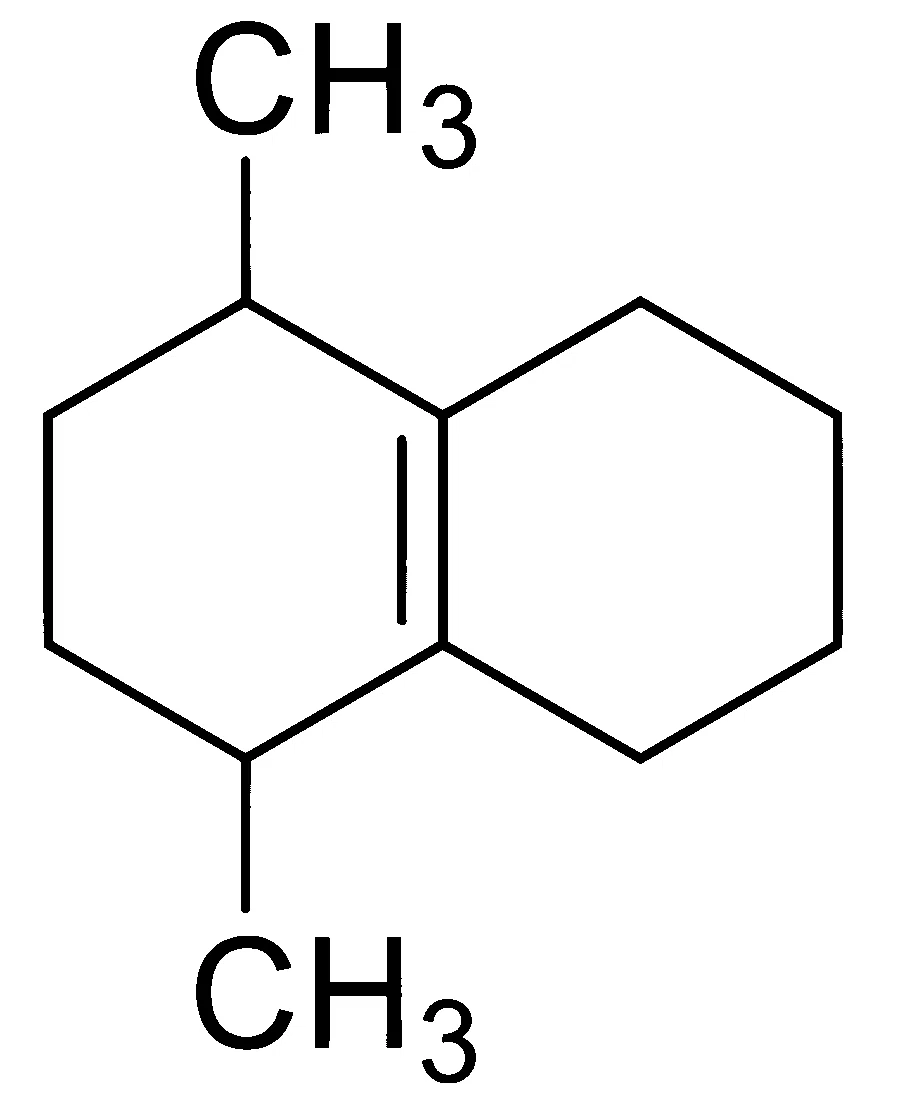 | (4)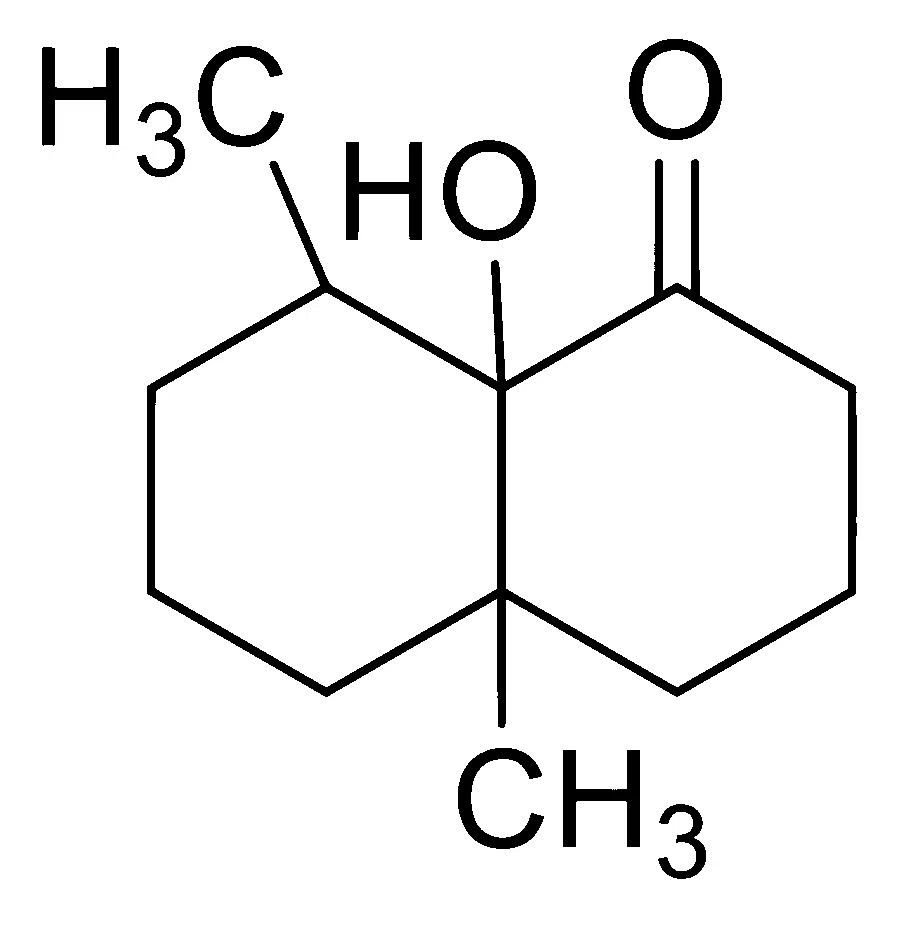 |
(5)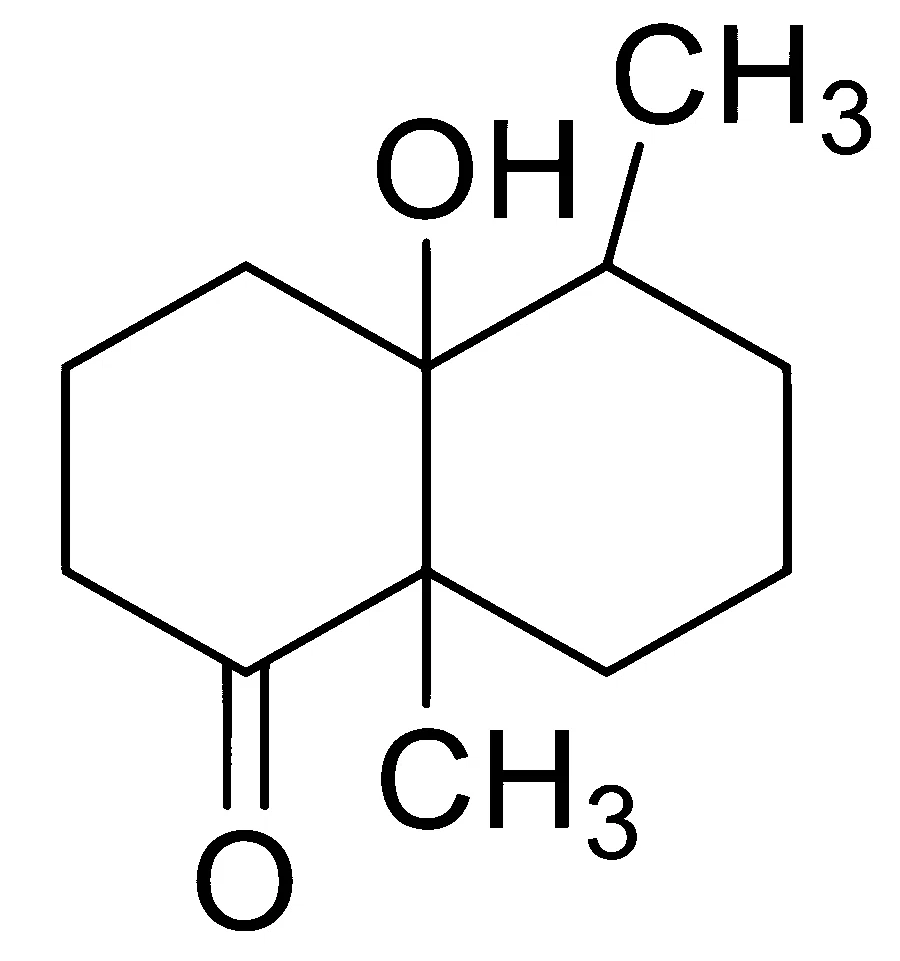 |
Match the major products obtained in the reactions given in List-I with the corresponding structures in List-II and choose the correct option.
| List-I | List-II |
|---|---|
(P)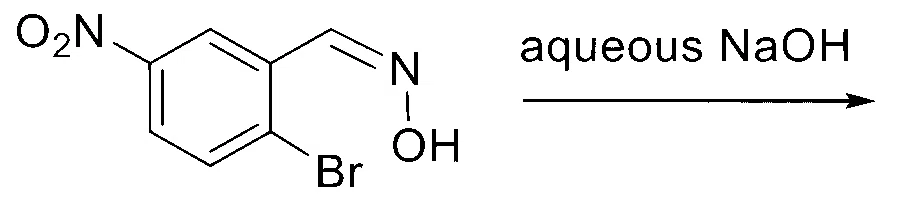 | (1)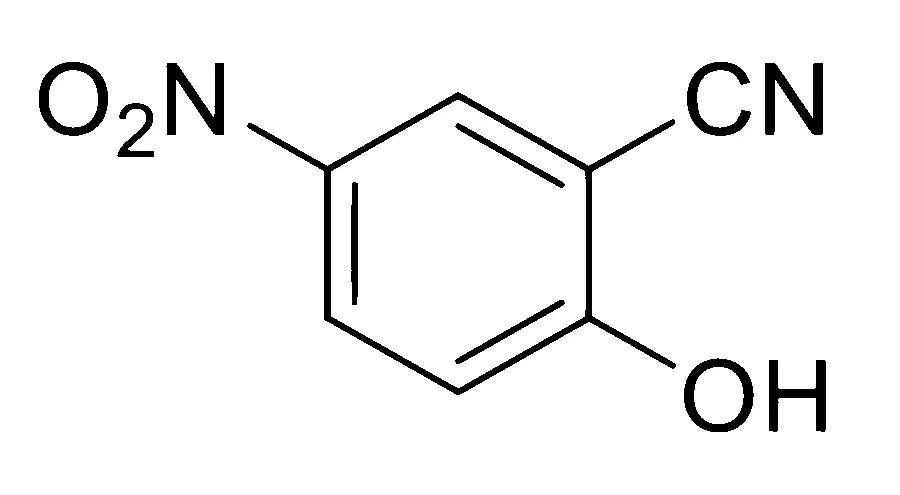 |
(Q)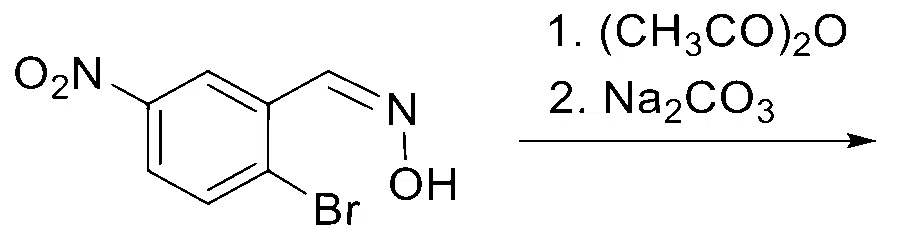 | (2)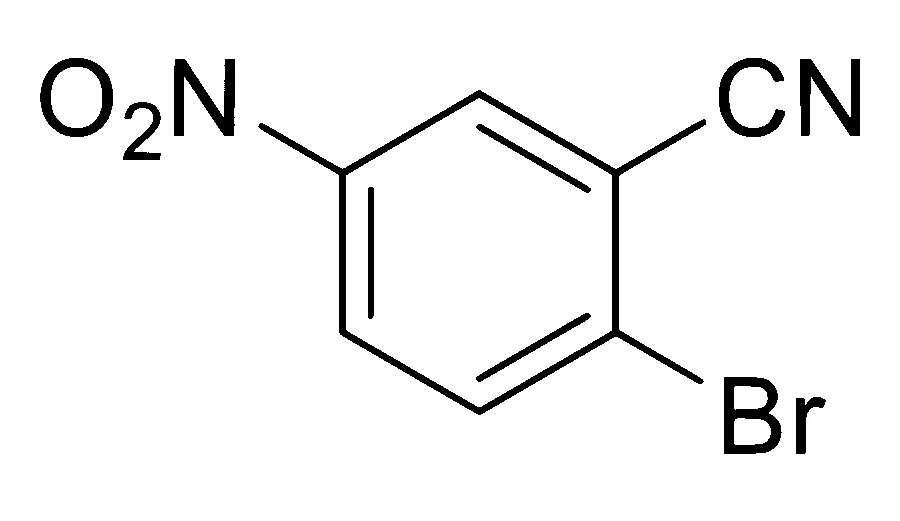 |
(R)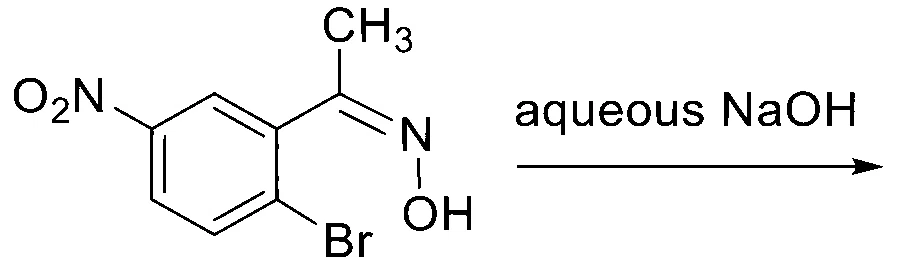 | (3)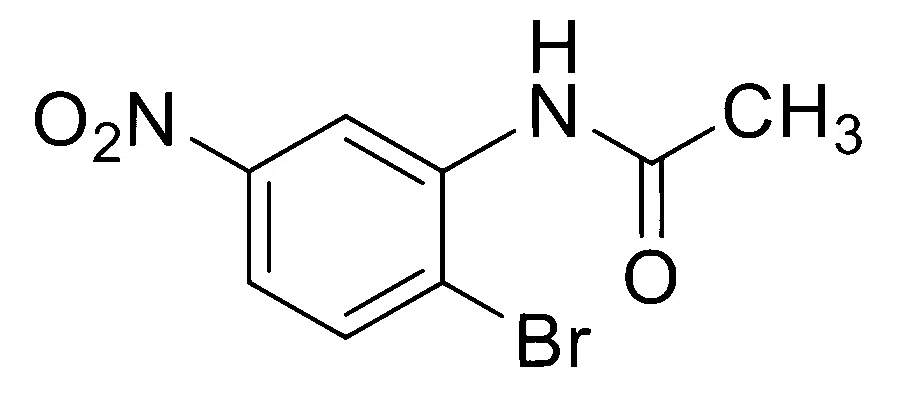 |
(S)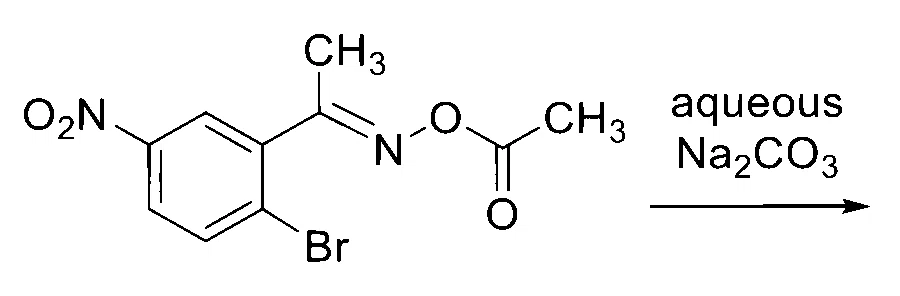 | (4)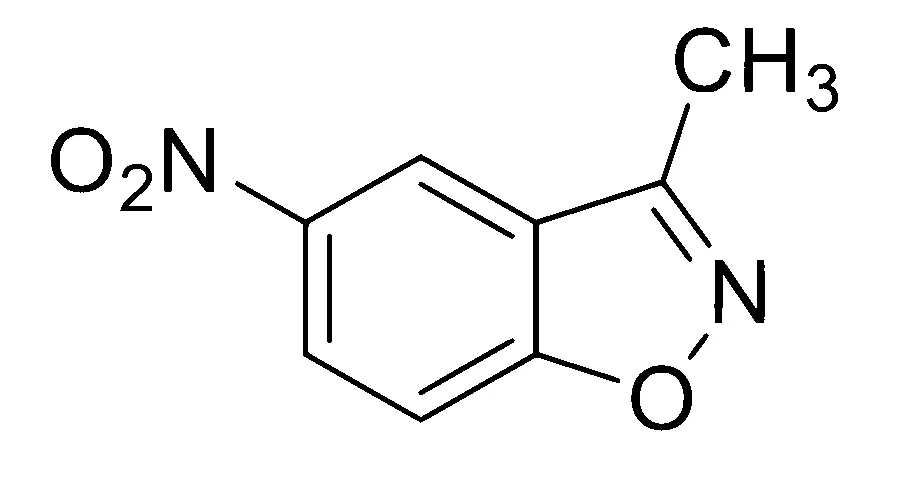 |
(5)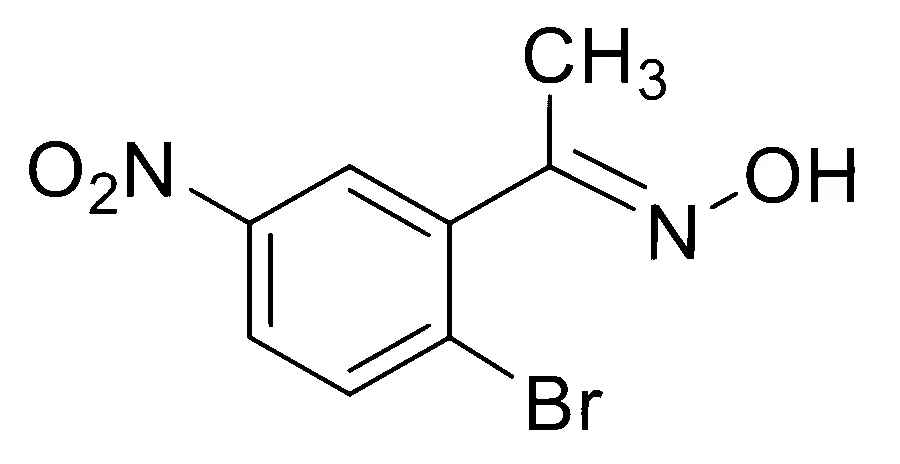 |
The correct order of dipole moments for the given species is
Consider the following species:
SOCl
List-I contains different molecular shapes and List-II contains total number of species with the same molecular shapes from the given species. Match each entry in List-I with the appropriate entry in List-II and choose the correct option.
| List-I | List-II |
|---|---|
| (P) See-saw | (1) one |
| (Q) T-Shaped | (2) two |
| (R) Trigonal Planar | (3) three |
| (S) Square Pyramidal | (4) four |
| (5) zero |
For a reversible reaction
The total number of all possible isomers for the square planar complex with formula
(