1JEE Advanced 2024 Paper 1 Online
MCQM+4 / -22024Chemistry
Reaction of iso-propylbenzene with
The correct statement(s) regarding

JEE Advanced · 26 May 2024 · Answers and step-by-step solutions
PDF and print include all subjects in this paper.
Showing 17 of 17 Chemistry questions · Page 1 of 1
Reaction of iso-propylbenzene with
The correct statement(s) regarding
Complete reaction of acetaldehyde with excess formaldehyde, upon heating with conc.
Sum of the number of methylene groups
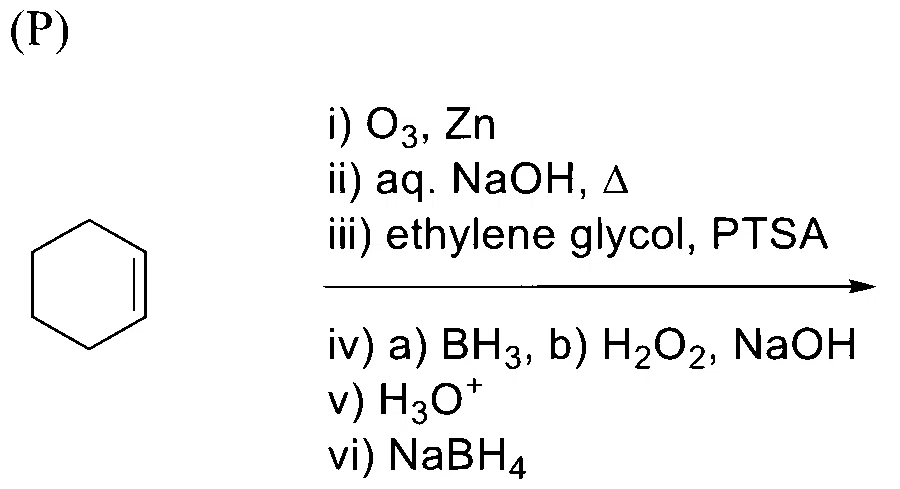
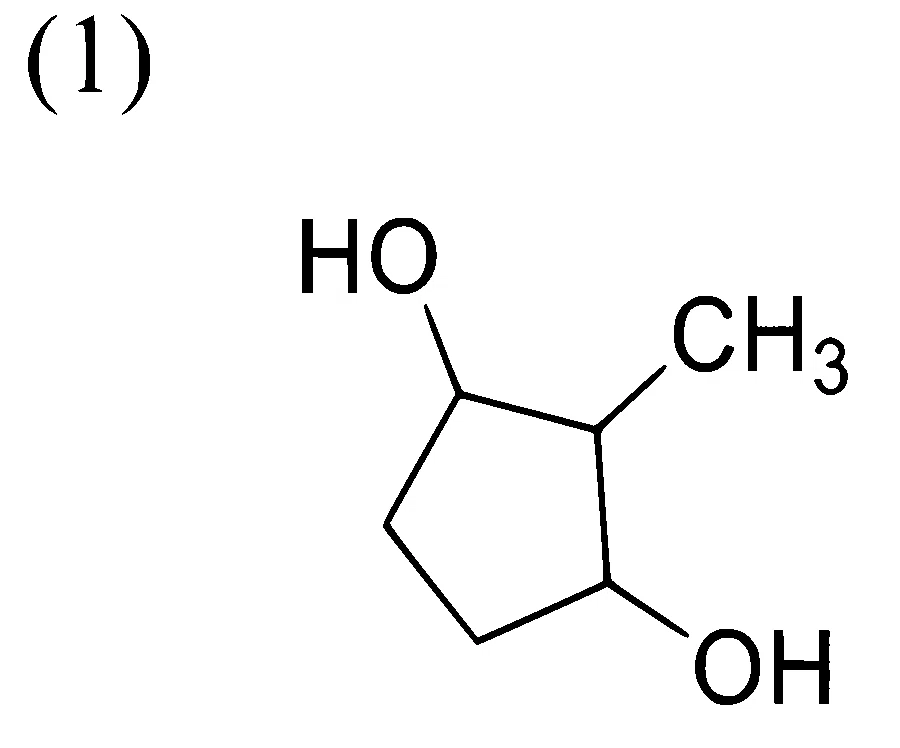
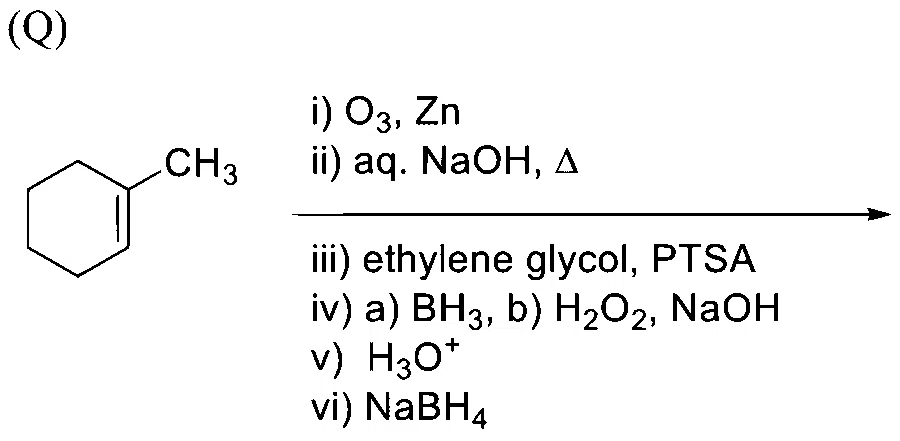
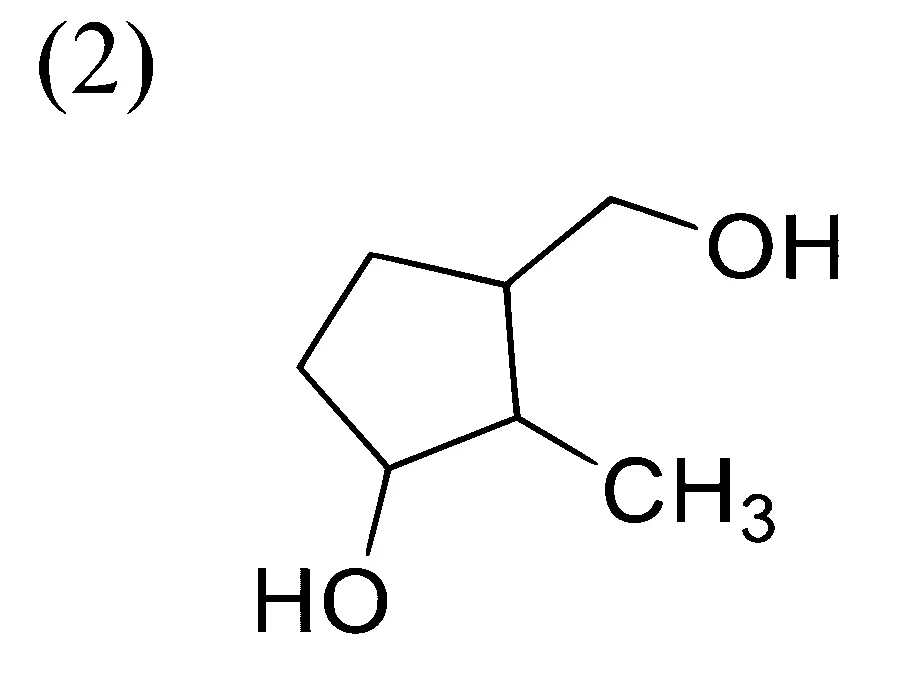
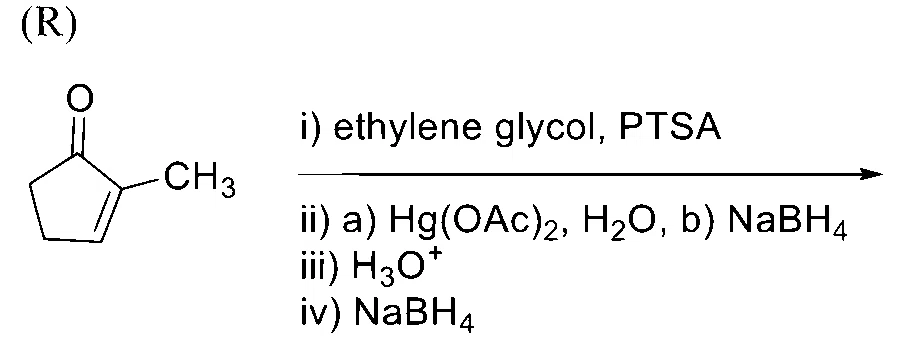
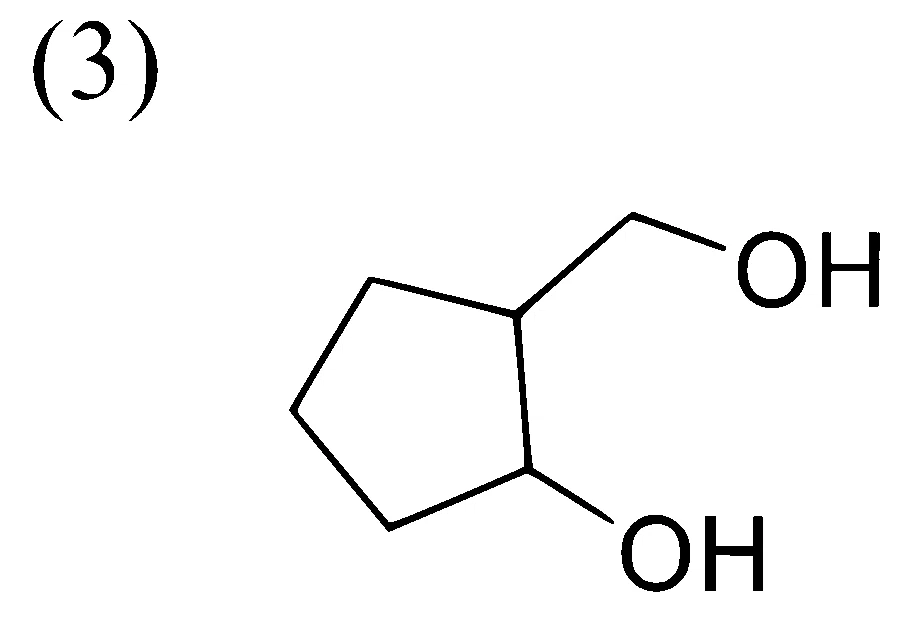
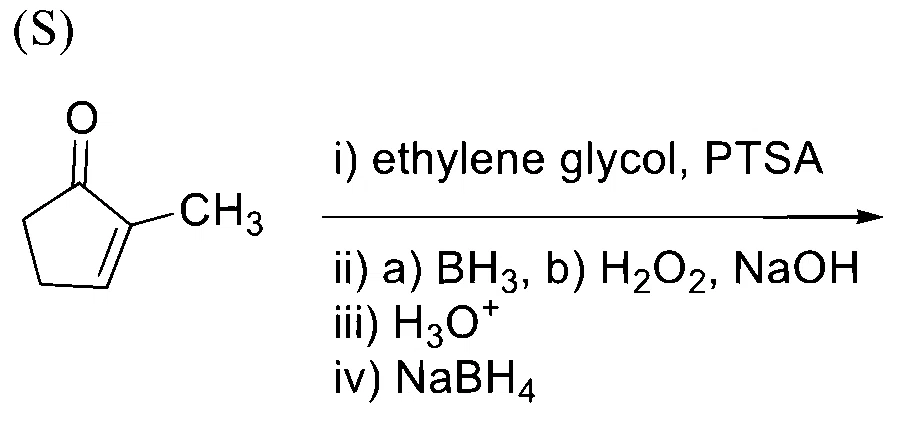
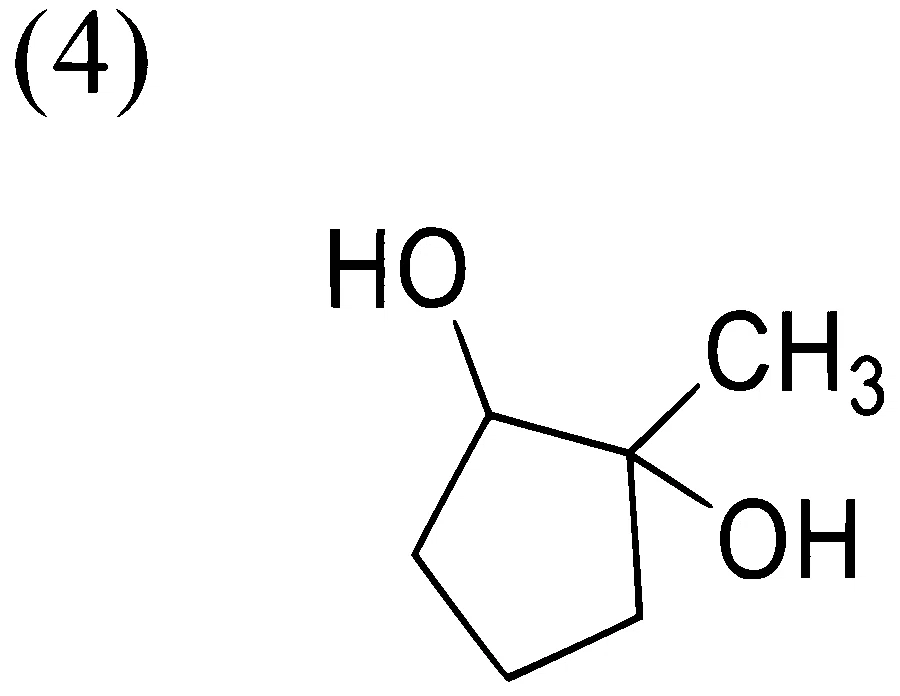
List-I contains various reaction sequences and List-II contains the possible products. Match each entry in List-I with the appropriate entry in List-II and choose the correct option.
| List-I | List-II |
|---|---|
 |  |
 |  |
 |  |
 |  |
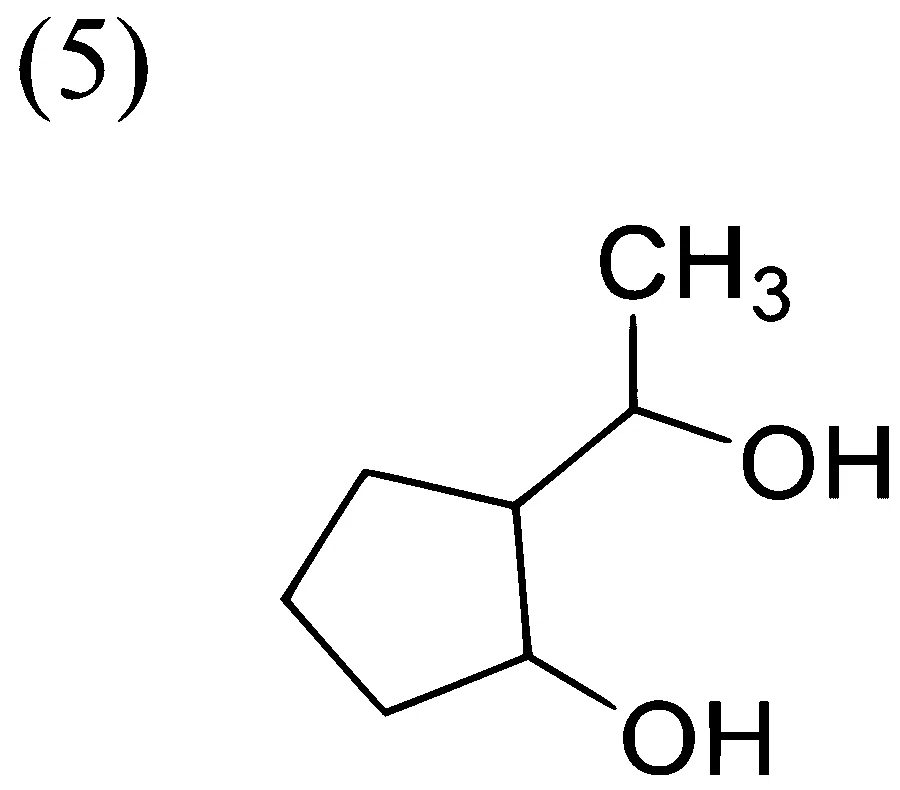 |
The option(s) in which at least three molecules follow Octet Rule is(are)
Based on VSEPR model, match the xenon compounds given in List-I with the corresponding geometries and the number of lone pairs on xenon given in List-II and choose the correct option.
| List-I | List-II |
|---|---|
| (P) XeF | (1) Trigonal bipyramidal and two lone pair of electrons |
| (Q) XeF | (2) Tetrahedral and one lone pair of electrons |
| (R) XeO | (3) Octahedral and two lone pair of electrons |
| (S) XeO | (4) Trigonal bipyramidal and no lone pair of electrons |
| (5) Trigonal bipyramidal and three lone pair of electrons |
Consider the following reaction,
which follows the mechanism given below :
The order of the reaction is __________.
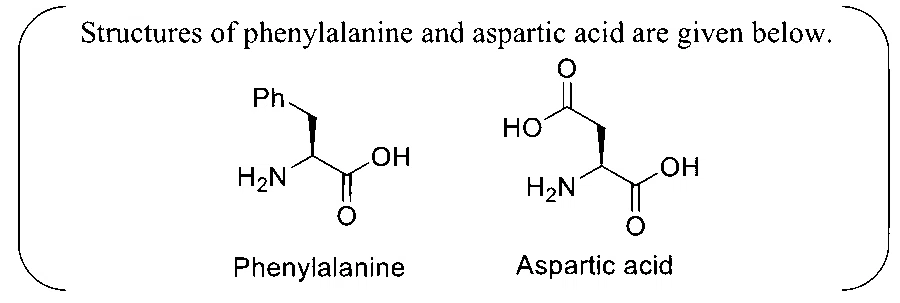
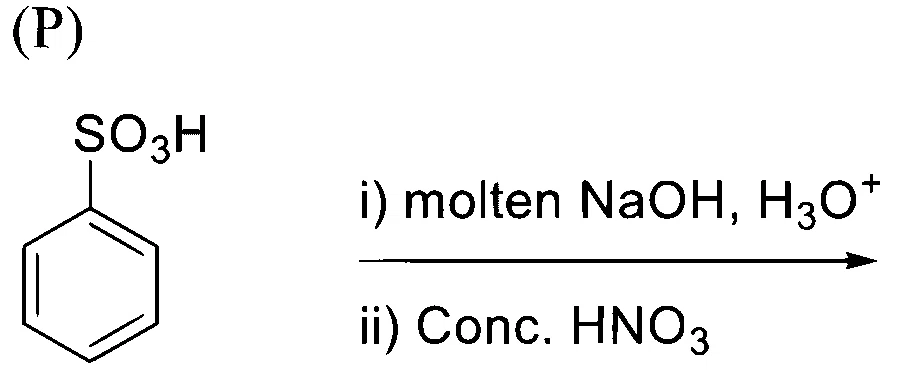
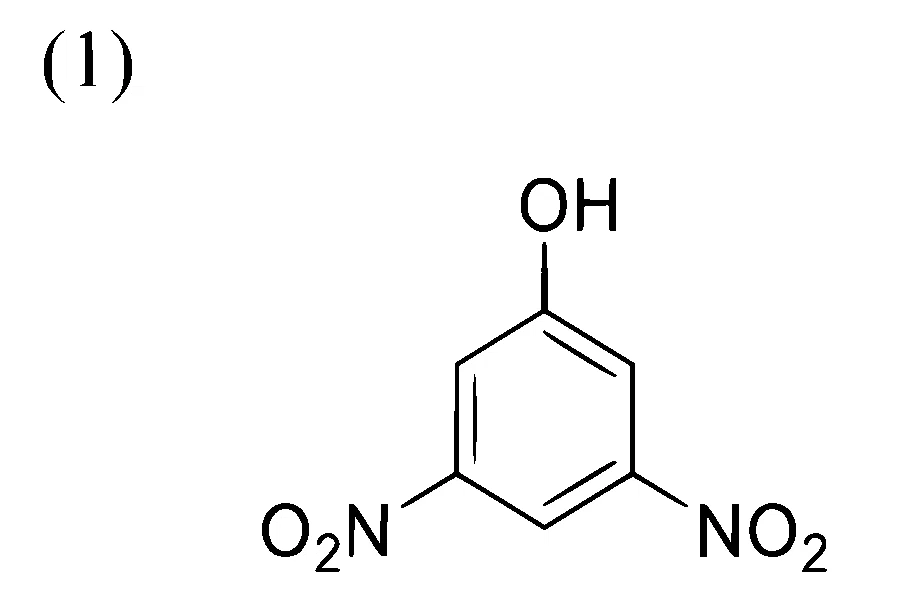
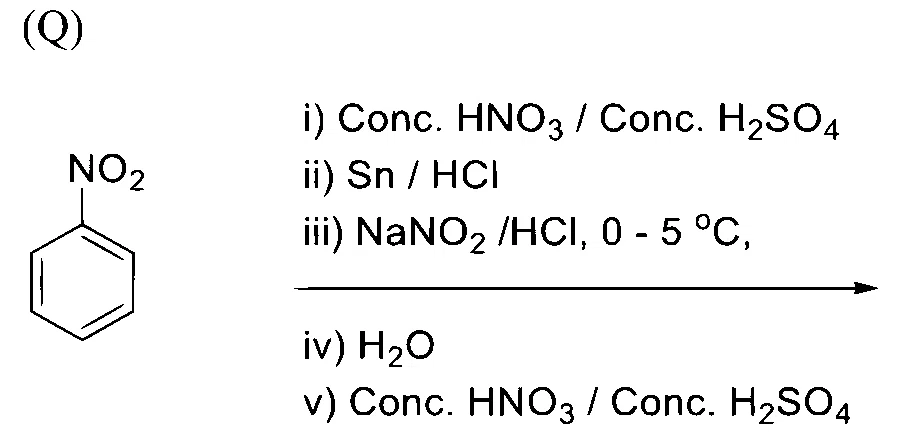
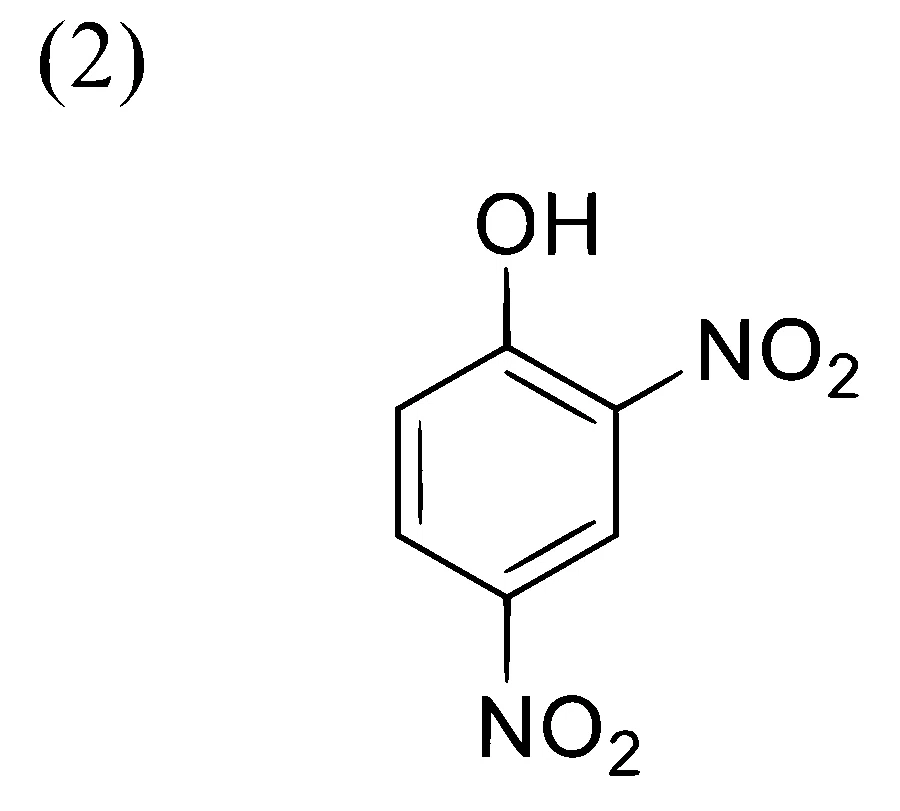
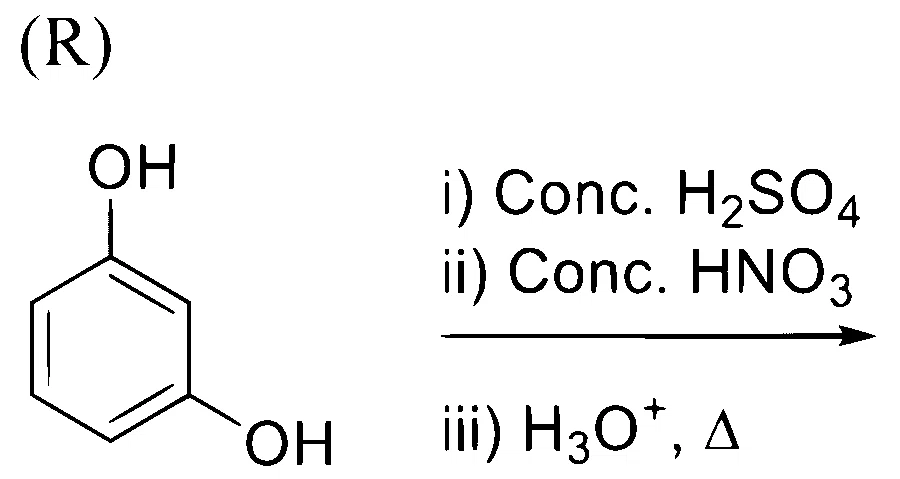
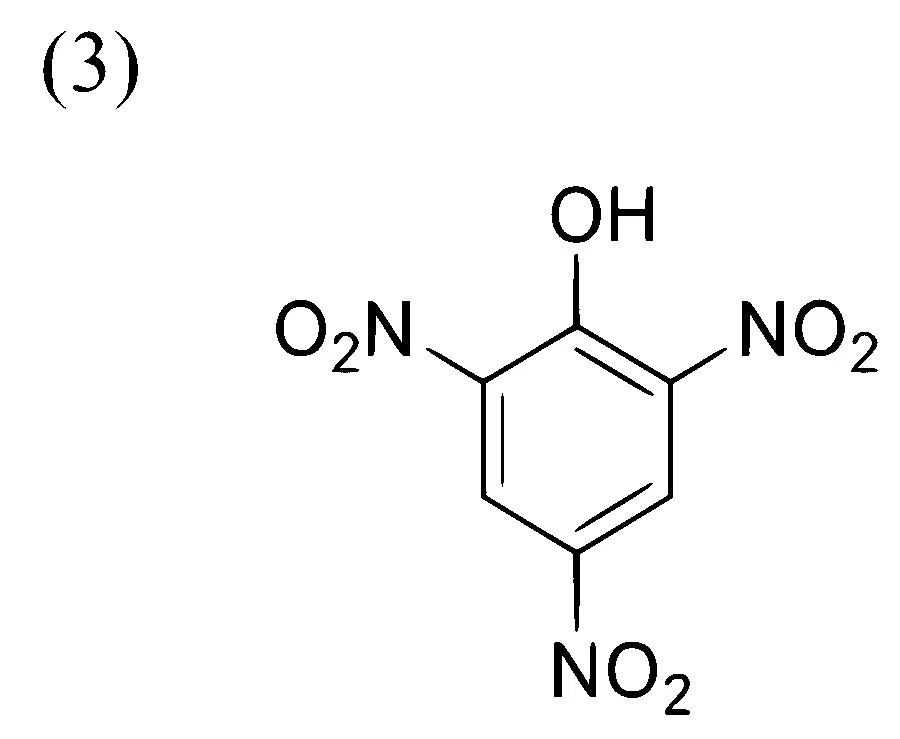
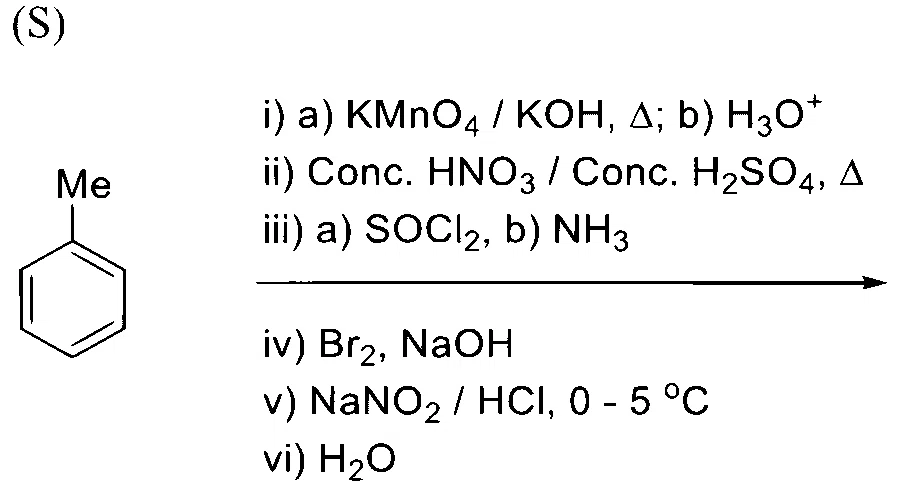
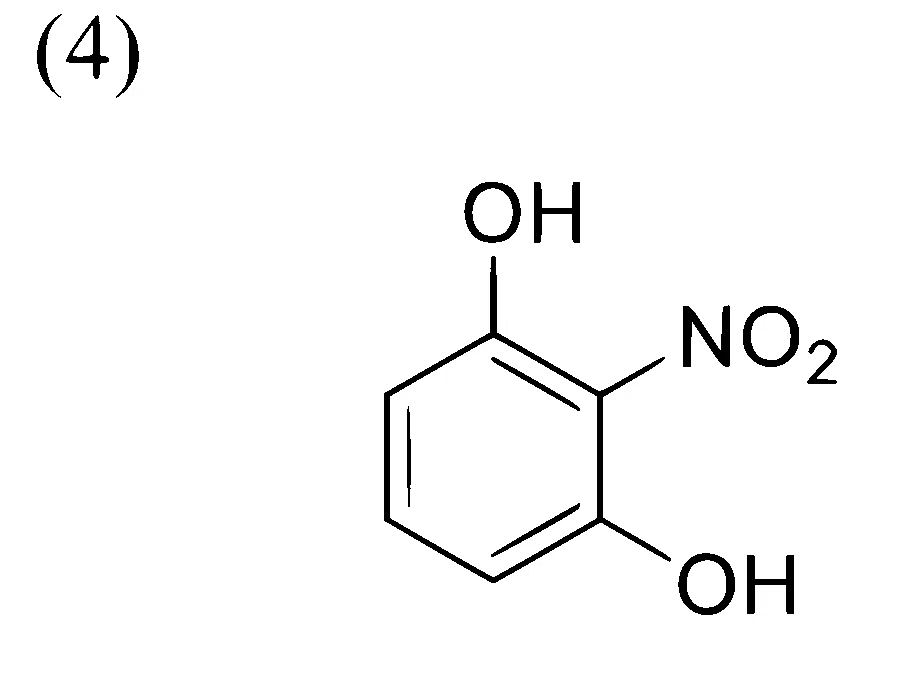
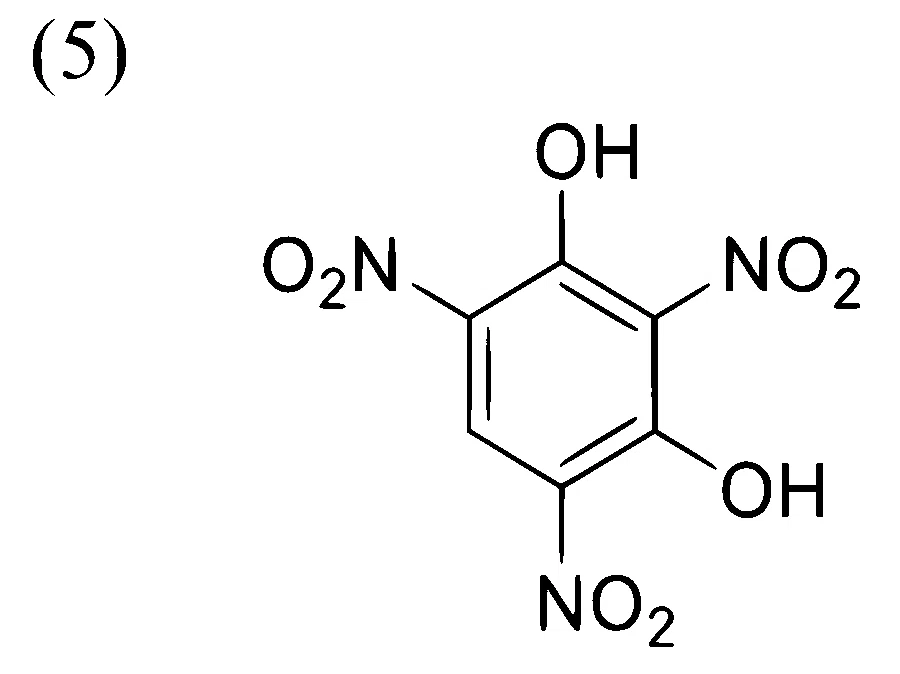
List-I contains various reaction sequences and List-II contains different phenolic compounds. Match each entry in List-I with the appropriate entry in List-II and choose the correct option.
| List-I | List-II |
|---|---|
 |  |
 |  |
 |  |
 |  |
 |
Among the following options, select the option in which each complex in Set-I shows geometrical isomerism and the two complexes in Set-II are ionization isomers of each other.
Among
[Given, atomic number:
Among the following complexes, the total number of diamagnetic species is ___________.
[Given, atomic number:
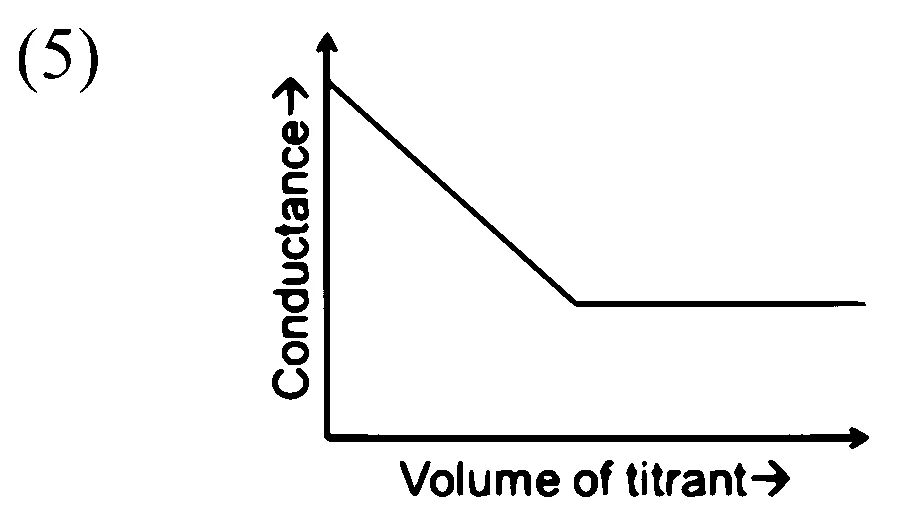
In a conductometric titration, small volume of titrant of higher concentration is added stepwise to a larger volume of titrate of much lower concentration, and the conductance is measured after each addition.
The limiting ionic conductivity
For different combinations of titrates and titrants given in List-I, the graphs of 'conductance' versus 'volume of titrant' are given in List-II.
Match each entry in List-I with the appropriate entry in List-II and choose the correct option.
| LIST-I | LIST-II |
|---|---|
| (P) Titrate: KCl Titrant: AgNO | 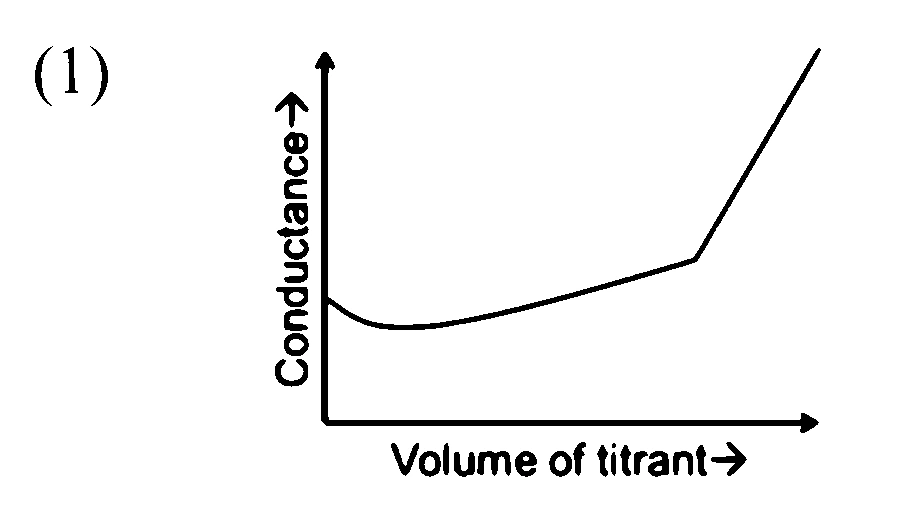 |
| (Q) Titrate: AgNO Titrant: KCl | 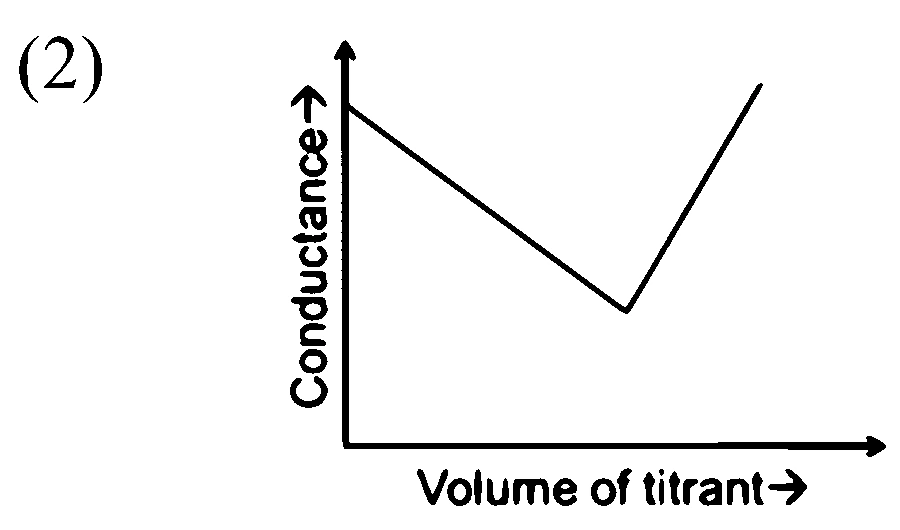 |
| (R) Titrate: NaOH Titrant: HCl | 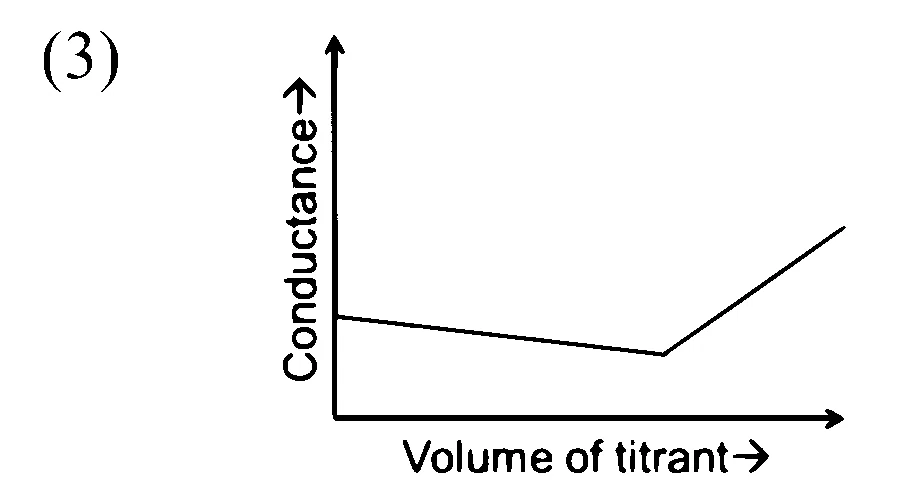 |
| (S) Titrate: NaOH Titrant: CH | 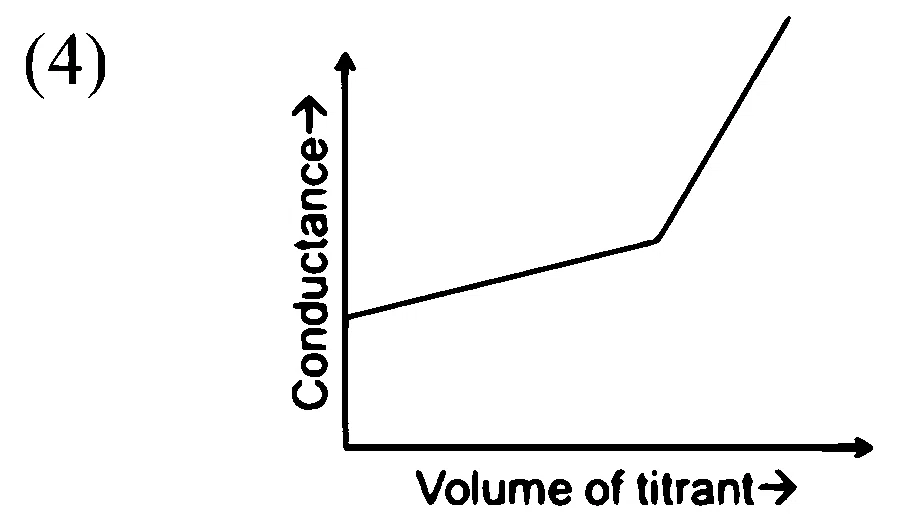 |
 |
A closed vessel contains
In the following reaction sequence, the major product
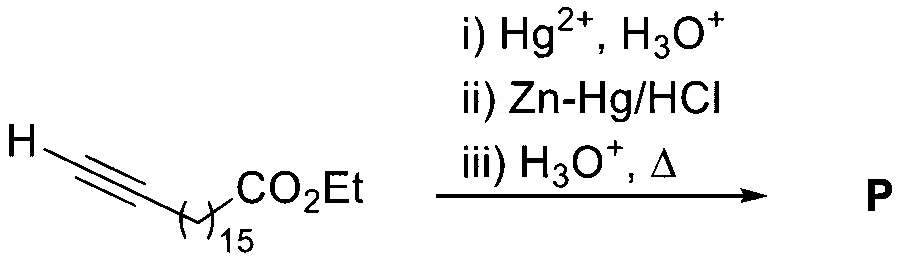
Glycerol reacts completely with excess
[Given, atomic weight:
At room temperature, disproportionation of an aqueous solution of in situ generated nitrous acid
Among the following, the correct statement(s) for electrons in an atom is(are)
Consider the following volume-temperature
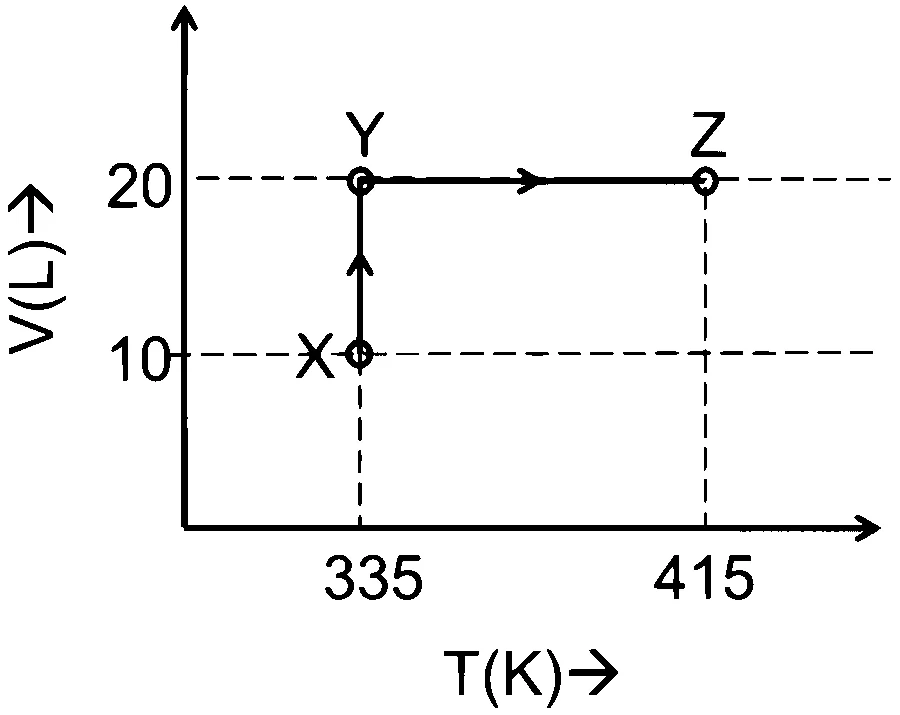
Considering only
[Use the given data: Molar heat capacity of the gas for the given temperature range,