1AP EAPCET 2022 - 5th July Morning Shift
MCQ+1 / -02022Chemistry
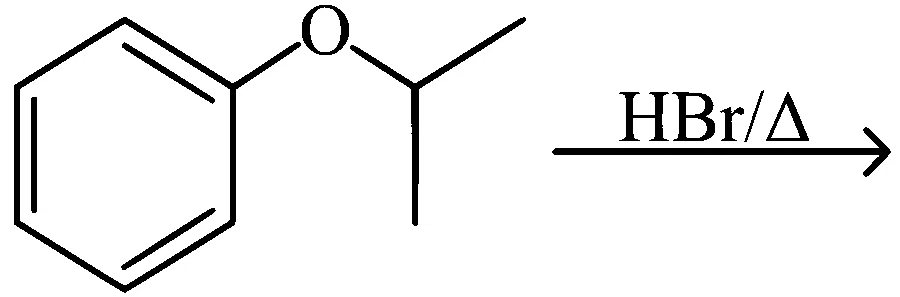
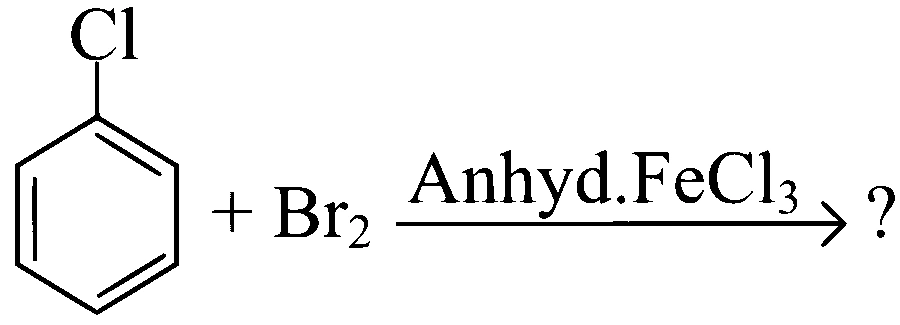
Identify the product(s) formed in the following reaction.

AP EAPCET · 5 Jul 2022 · Answers and step-by-step solutions
PDF and print include all subjects in this paper.
Showing 25 of 40 Chemistry questions · Page 1 of 2
Identify the product(s) formed in the following reaction.
Which compound is formed on catalytic hydrogenation of carbon monoxide at high
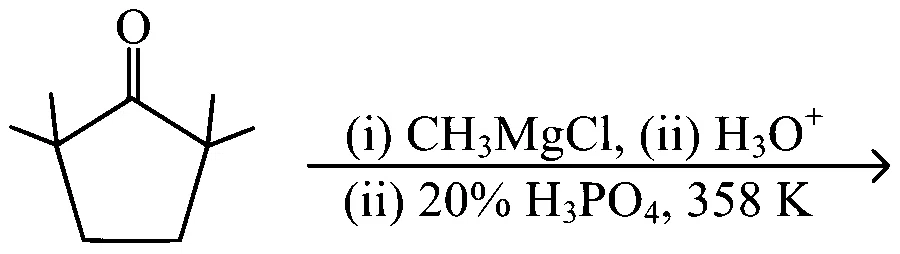
Identify the major product from the following reaction sequence.
The wavelength associated with the electron moving in the first orbit of hydrogen atom with velocity
The energy required (in eV) to excite an electron of H -atom from the ground state to the third state is
Match the following
| List - I (Enzyme) | List - II (Reaction) | ||
|---|---|---|---|
| A. | Invertase | I. | Maltose |
| B. | Pepsin | II. | Sucrose |
| C. | Diastase | III. | Proteins |
| IV. | Starch |
Carbohydrates are stored in plants and animals in which of the following forms respectively?
Glycylalanine is a dipeptide of which amino acids?
The set of species having only fractional bond order values is
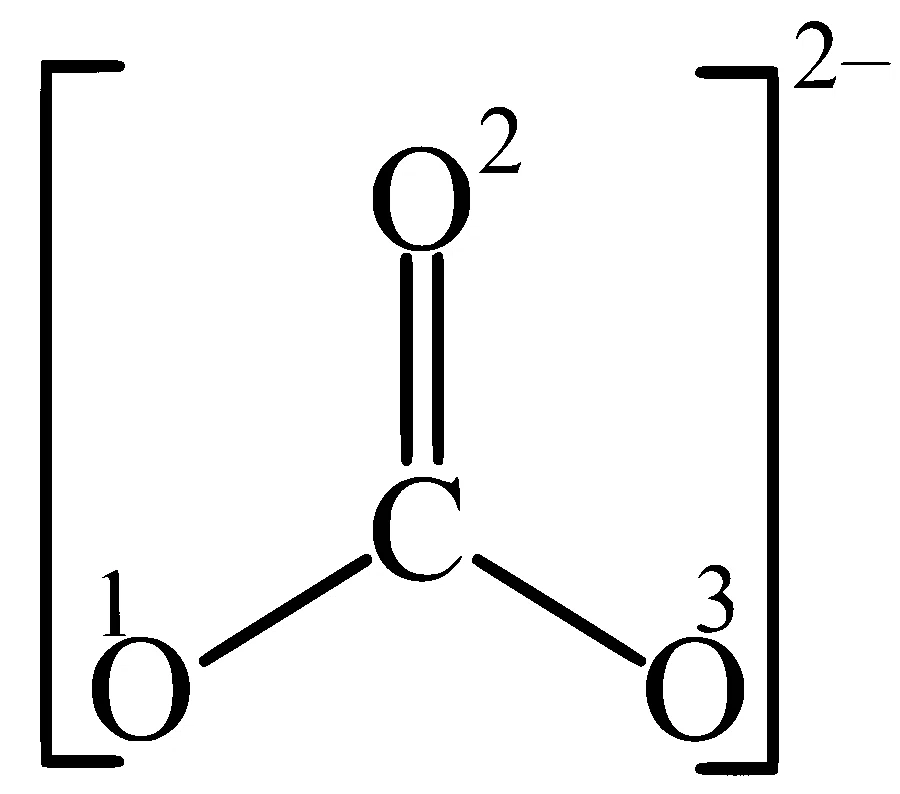
In the Lewis dot structure of carbonate ion shown under the formal charges on the oxygen atoms 1, 2 and 3 are respectively
At 500 K , for the reaction
The rate constant of a reaction at 500 K and 700 K are
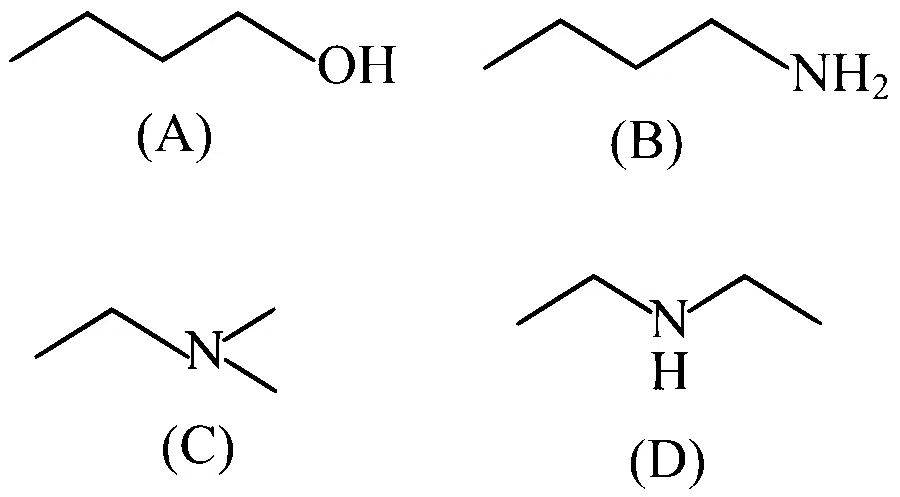
The relative basic strength of the compounds is correctly shown in the option.
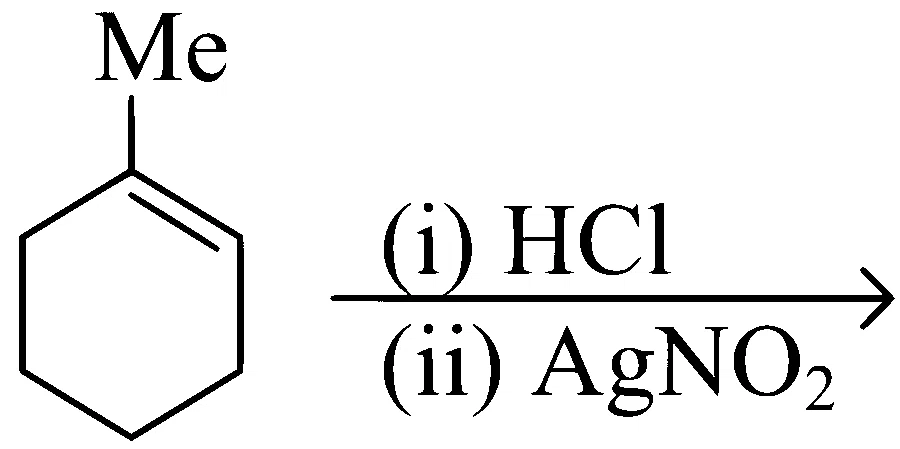
Identify the major product formed from the following reaction.
Arrange the following in decreasing order of their boiling points.
An element '
Identify the species, which does not exist?
The homoleptic complex in the following is
Identify the isoelectronic pair of ions from the following.
96.5 amperes current is passed through the molten
Identify the major product of the following reaction.
Calcium carbide
The hybridisation of carbon atom(s) in
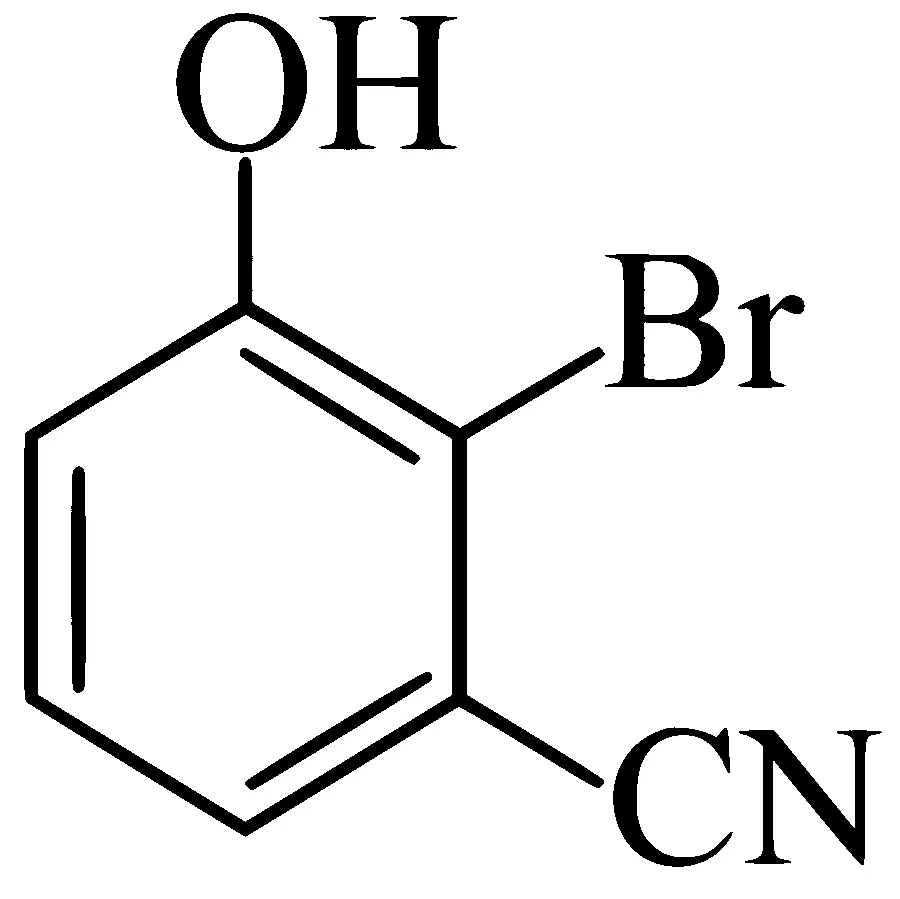
The IUPAC name of the following compound is
0.05 mole of a non-volatile solute is dissolved in 500 g of water. What is the depression in freezing point of resultant solution?
Which of the following form an ideal solution?
I. Chloroethane and bromoethane
II. Benzene and toluene
III.
IV. Phenol and aniline