26RE-NEET 2026
MCQ+4 / -12026Physics
In an adiabatic expansion, the temperature of one mole of an ideal monatomic gas (
(Take the universal gas constant as

NEET · 21 Jun 2026 · Answers and step-by-step solutions
Showing 25 of 180 questions · Page 2 of 8
In an adiabatic expansion, the temperature of one mole of an ideal monatomic gas (
(Take the universal gas constant as
An ideal gas is made of polyatomic molecules. Each of the molecules has three translational, three rotational and
The mean free path of molecules in an ideal gas
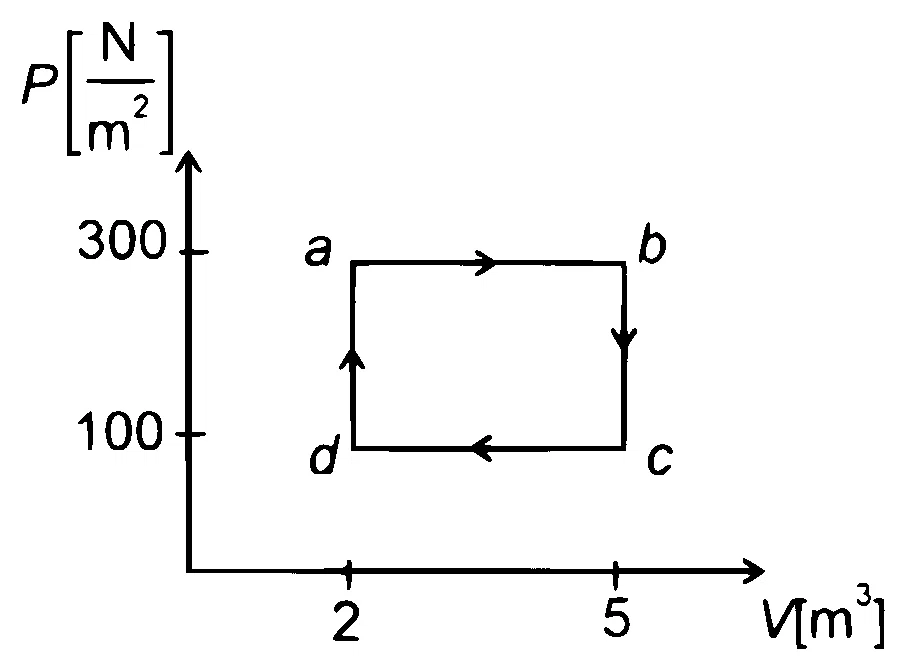
One mole of an ideal monatomic gas undergoes a cyclic process as shown in the figure. The total heat supplied to the gas is:
A car travels on a circular racetrack of radius 50 m , which is banked at an angle
Consider a particle moving along a straight line, whose position as a function of time is given by
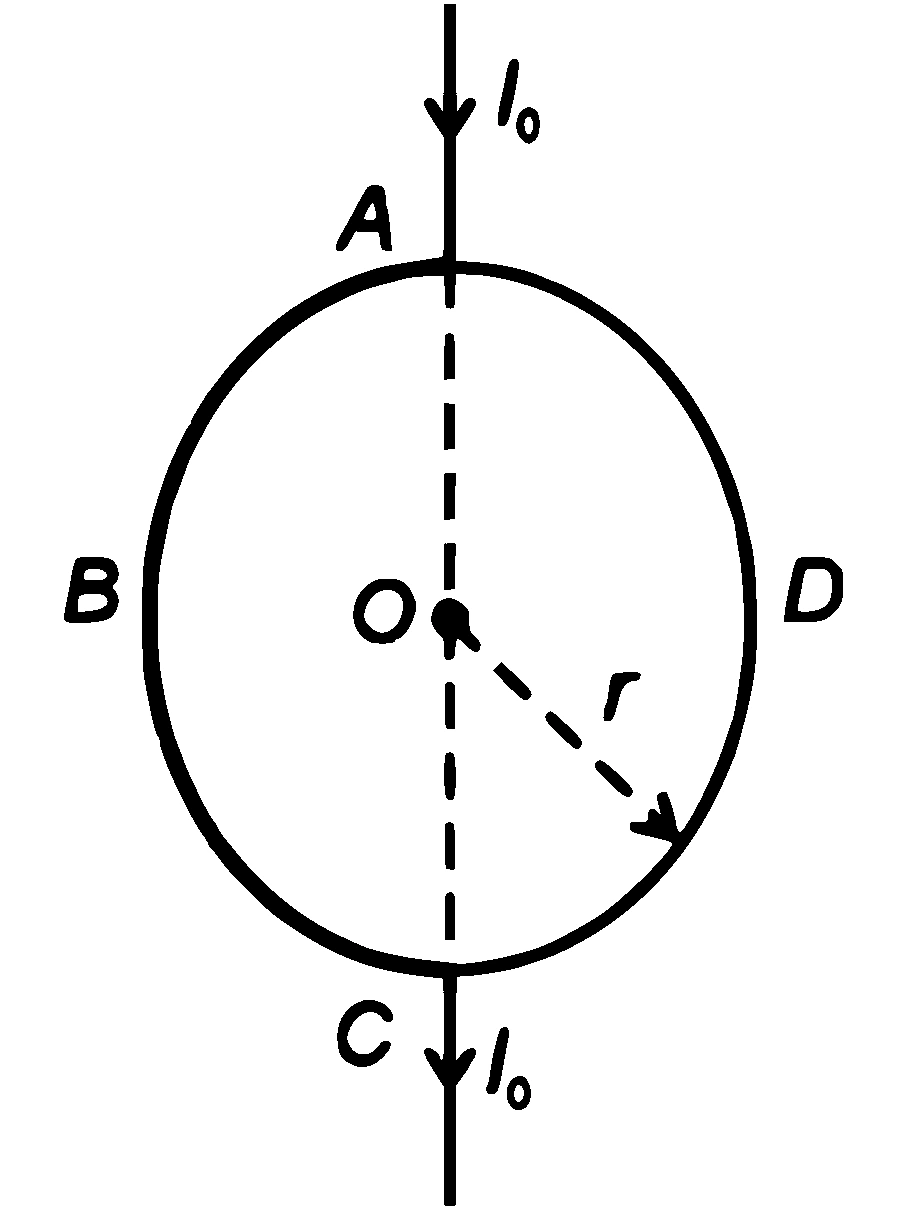
A current
Two infinitely long parallel conducting wires
A cylindrical cork of uniform density floats in a liquid of density
Consider a spring-mass simple harmonic oscillator in one dimension. The mass of the particle is
In the measurement of viscosity of liquids using terminal velocity experiment, spherical balls of same radius but having different densities are used. The variation of the terminal velocity (
Water flows in a streamline motion through a horizontal pipe of circular cross-section as shown in the figure. The pressure difference of water between
[Take density of water 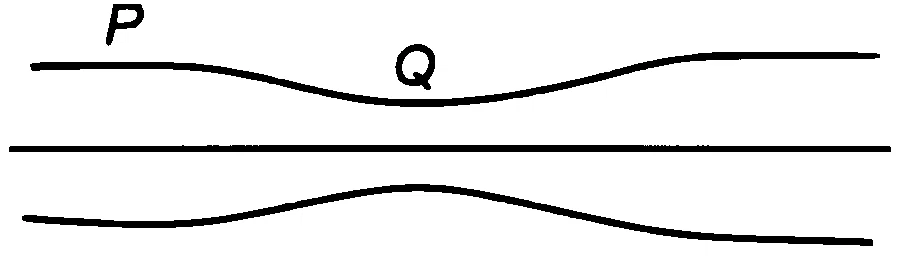
A thin horizontal disc is rotating about a vertical axis passing through its fixed centre
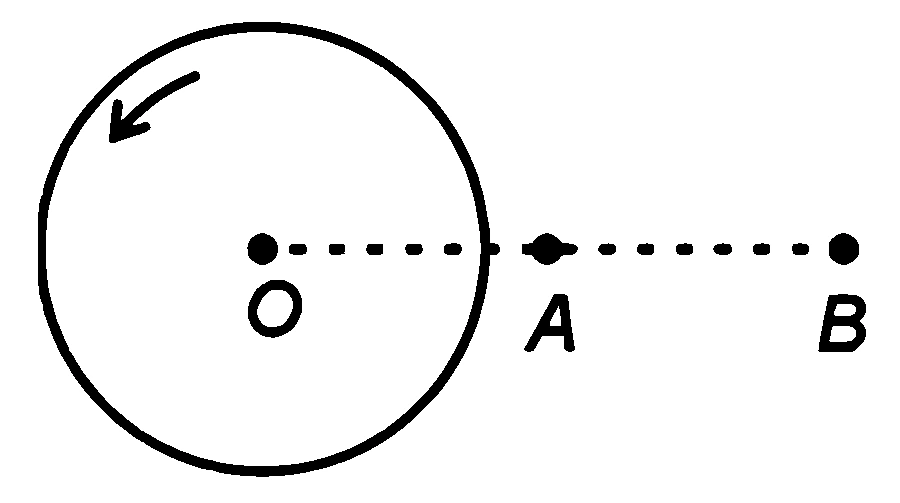
A solid sphere
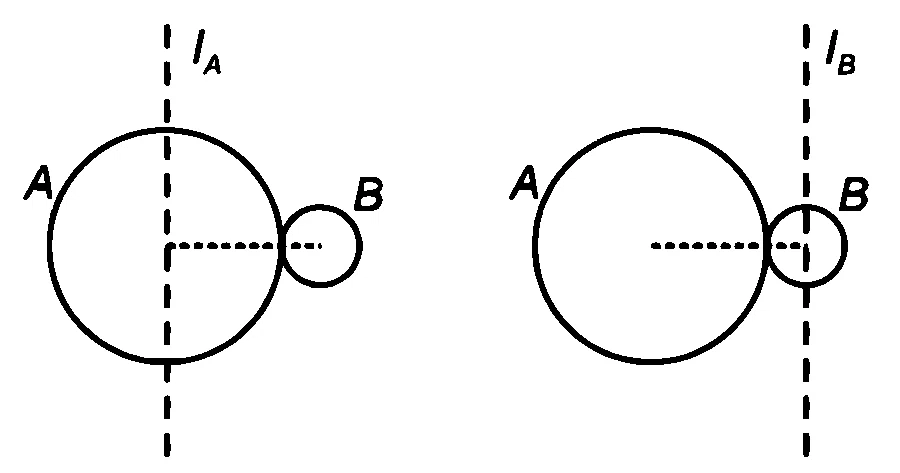
An ideal Zener diode with breakdown voltage of -3 V is reverse biased with a negative input voltage
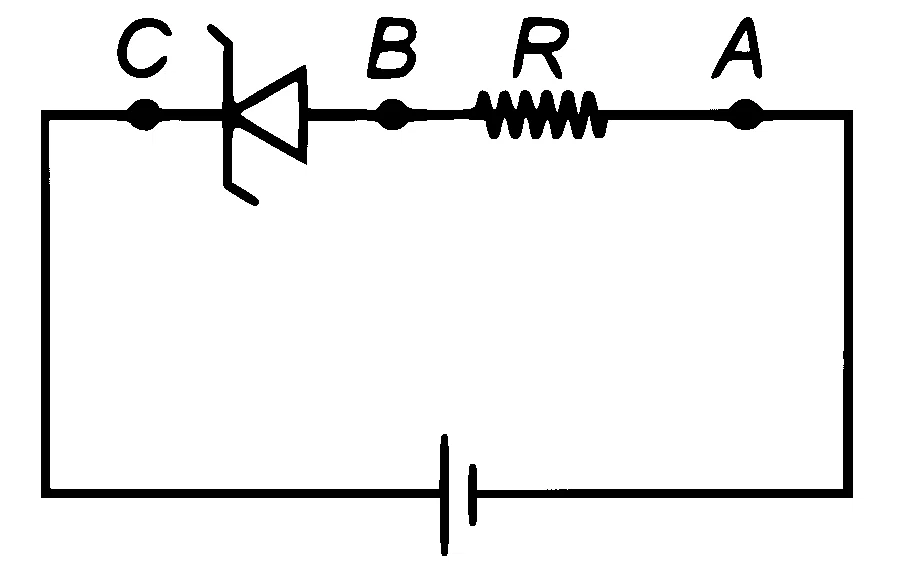
Three identical p-n junction diodes
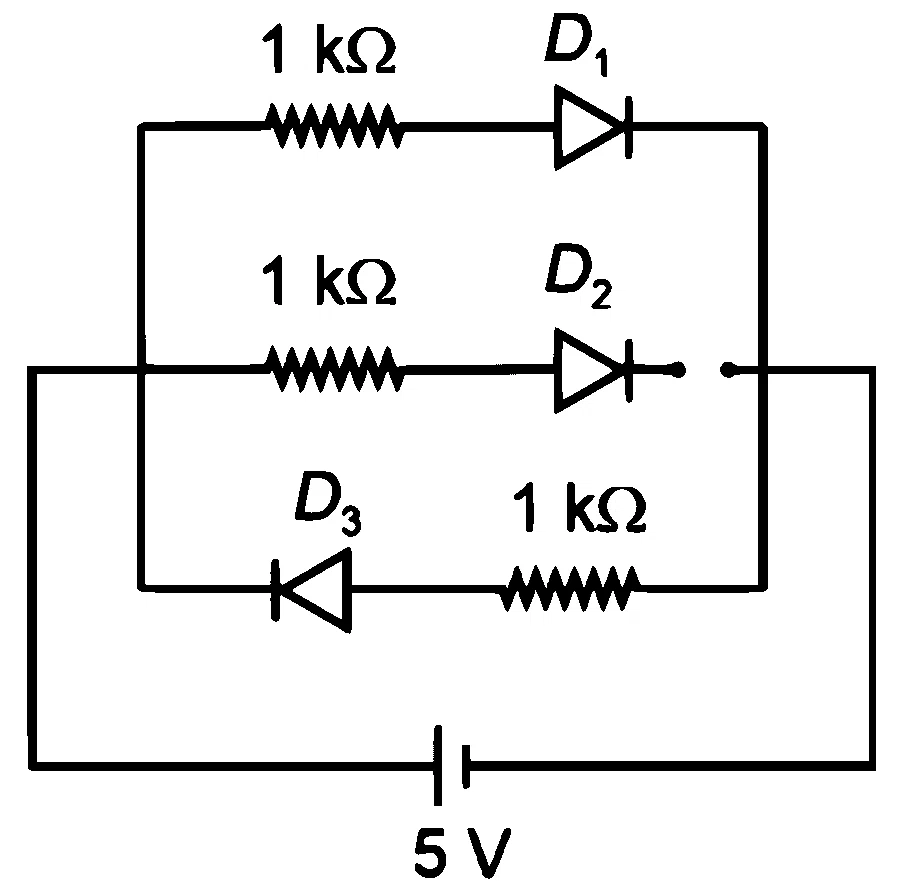
Consider that
One main scale division of a Vernier calliper is equal to 1 mm and the number of divisions on the Vernier scale is 10 . When both the jaws touch each other, the Vernier scale shifts to the left of zero of the main scale in such a way that
For sound waves, if the number of nodes for the
A particle of mass
Arrange the following compounds in the increasing order of polarity
A.
B.
C.
D.
Choose the correct answer from the options given below.

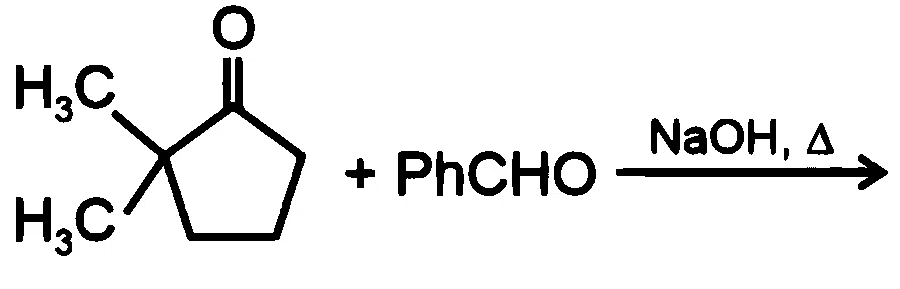
Consider the following reaction, and choose the correct option.
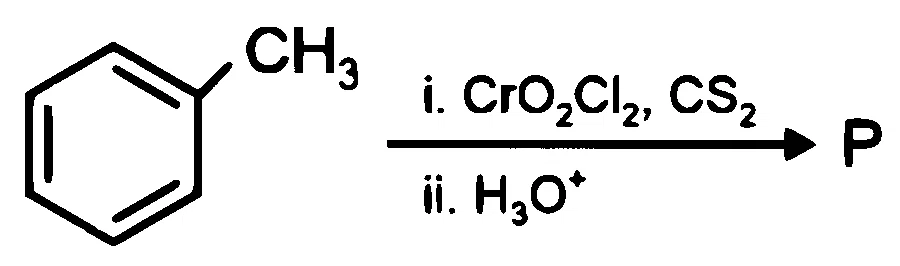
The correct statement about peptides and proteins is